 Save to Pinterest
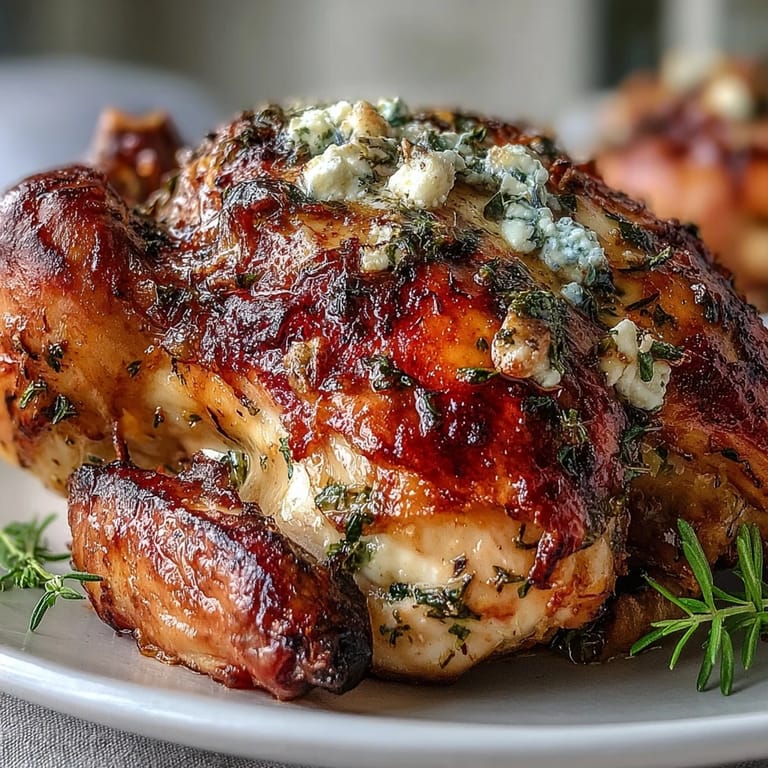
 There's something about pulling a golden roasted chicken from the oven that makes everything feel like it's going to be okay. Years ago, my neighbor dropped by unannounced on a Tuesday evening, and I had nothing but a whole chicken, some potatoes, and half a lemon in my crisper drawer. What emerged from my oven an hour later—crispy-skinned, herb-fragrant, surrounded by butter-soft potatoes and salty feta—turned into the kind of meal that shifts a casual visit into something memorable. It wasn't fancy, but it tasted like care, and somehow that's always been enough.
I made this for my sister's birthday last spring, when she was going through one of those seasons where takeout had become her entire personality. She walked in, smelled the lemon and oregano from the hallway, and actually sat down at the table without checking her phone. We ate until the pan was nearly empty, talking about nothing and everything, and she asked for the recipe before dessert even arrived.
Ingredients
- 1 whole chicken (about 1.5 kg / 3.3 lbs), patted dry: Patting the skin completely dry is the secret to getting it crispy and deeply golden; moisture is the enemy of that crackling texture you're after.
- 2 tbsp olive oil: Use a decent quality oil here since it'll brown and become part of the flavor foundation; cheaper oils can taste bitter once they hit high heat.
- 1 lemon, zested and quartered: Zest it before cutting so you don't lose any of that precious oil trapped in the skin; the quarters go inside the cavity to perfume the meat as it roasts.
- 4 garlic cloves, smashed: Smashing them releases more flavor than mincing and prevents them from burning at high temperature; they'll soften into the pan juices.
- 1 tbsp fresh oregano, chopped (or 1 tsp dried): Fresh is noticeably better here, but dried works when that's what you have; add it to your herb paste right before rubbing.
- 1 tbsp fresh thyme leaves (or 1 tsp dried): Strip the leaves from the stems with your fingers rather than chopping the whole sprigs, which can be woody and tough.
- 1 tsp salt & ½ tsp black pepper: Season generously both inside and outside the bird; this is your only chance to season the inside evenly.
- 1 kg (2.2 lbs) small new potatoes, halved: New potatoes have thinner skin and creamy centers, so they cook through while staying buttery; halving them ensures they roast in roughly the same time as the chicken.
- 100 g (3.5 oz) feta cheese, crumbled: Add this only at the very end so the salt doesn't intensify and the cheese stays creamy rather than weeping liquid everywhere.
- 2 tbsp fresh dill or parsley, chopped: Dill brings a lighter, brighter note; parsley is more neutral and works if that's easier to find.
- Extra lemon wedges, to serve: A squeeze of fresh lemon right at the table wakes up everything that's already on your plate.
Tired of Takeout? 🥡
Get 10 meals you can make faster than delivery arrives. Seriously.
One email. No spam. Unsubscribe anytime.
Instructions
- Preheat and prepare your workspace:
- Get your oven to 200°C (400°F) so it's properly hot when the chicken goes in. Pat the chicken completely dry with paper towels while the oven preheats, because any surface moisture will steam off rather than crisp.
- Make your herb paste and dress the bird:
- Mix olive oil, lemon zest, chopped oregano, thyme, salt, and pepper in a small bowl until it looks like a paste. Rub this all over the outside of the chicken, under the wings, down the legs, and don't skip the inside of the cavity; you want the flavor everywhere.
- Stuff and position:
- Stuff the lemon quarters and smashed garlic cloves into the cavity, then place the chicken breast-side up in your roasting pan. Scatter the halved potatoes around it, drizzle them with olive oil, season with salt and pepper, and toss gently so they're all coated.
- Roast with attention:
- Put the whole pan in the oven and roast for about 1 hour, basting the chicken and potatoes with the pan juices once or twice—this keeps everything moist and helps build flavor. If the potatoes start browning too quickly before the chicken is done, drape a loose piece of foil over them.
- Check for doneness:
- Pierce the thickest part of the thigh with a meat thermometer; it should read 75°C (165°F) when the chicken is fully cooked. If you don't have a thermometer, the juices should run clear when you poke the thigh, and the meat should pull easily from the bone.
- Rest and finish:
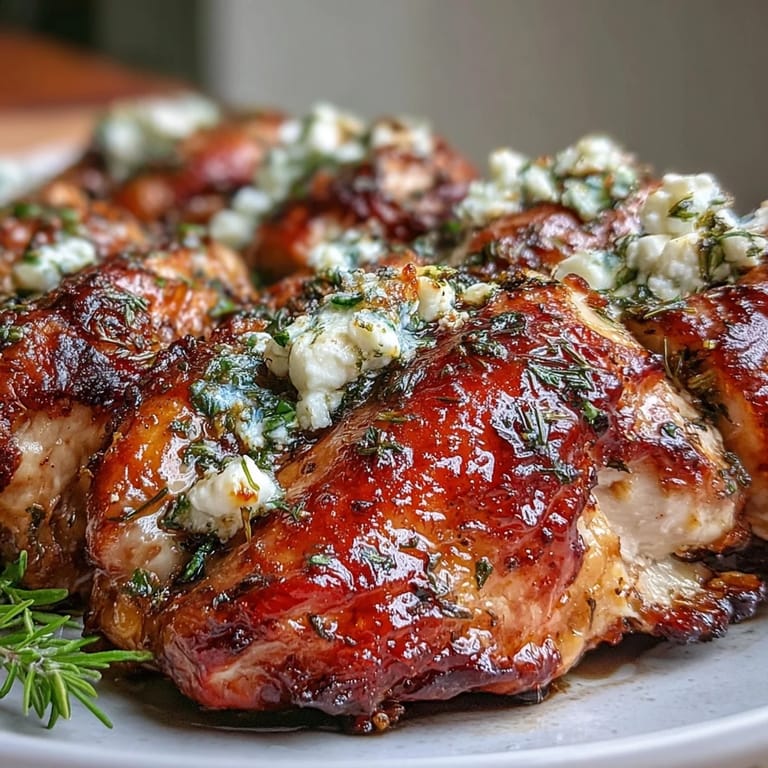
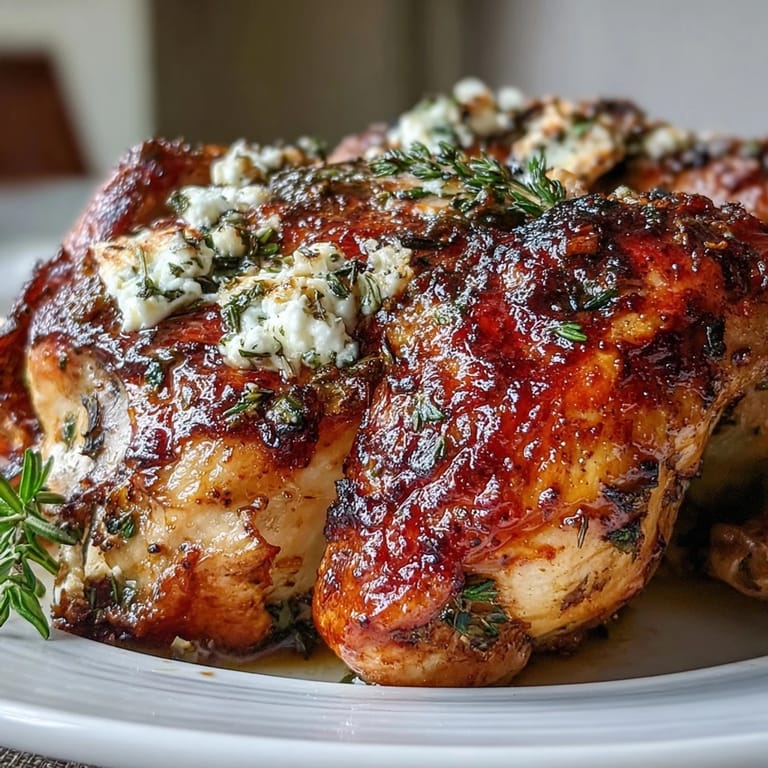
- Remove the pan from the oven and let the chicken rest for 10 minutes—this keeps the meat tender rather than stringy when you cut into it. Sprinkle the crumbled feta and fresh dill or parsley over everything, serve with lemon wedges on the side, and watch people actually slow down to eat.
 Save to Pinterest
 My partner once tasted this and said it reminded him of eating at his grandmother's house in Cyprus, even though he'd never been there. That's when I realized this dish does something different—it reaches past your immediate senses and connects to some half-remembered comfort, whether you've lived that life or just imagined it.
The Flavor Architecture Here
What makes this dish feel complete isn't any single ingredient but the conversation between them. The chicken provides the neutral canvas, herbs and lemon zest build the savory top notes, and then feta arrives at the end like punctuation—salty, creamy, and just different enough to keep things interesting. The potatoes soak up all the rendered fat and pan juices, so they taste like they've absorbed the essence of the whole roasting process. This is why adding the feta and fresh herbs at the very end matters so much; if you cooked them the whole time, they'd collapse into the background, and you'd lose that moment of brightness that makes people look up from their plates.
Timing and Temperature Realities
The math here is straightforward but worth understanding: a 1.5 kg chicken at 200°C takes roughly 60 to 70 minutes, and the potatoes need about the same time to go from raw to creamy. Your oven's behavior matters more than the clock, though. Every oven runs slightly hot or cool, and altitude and humidity affect how quickly things brown. Start checking the chicken after 50 minutes rather than trusting the timer completely, because overcooked chicken dries out and nobody wants that.
Making It Yours and Serving Well
This recipe is genuinely flexible, and some of my best versions have happened when I've treated it like a template rather than scripture. If you love briny flavors, scatter some olives or capers over the top before serving. If you have fresh rosemary growing in a pot on your windowsill, use that instead of oregano—it'll be even more fragrant. Some nights I add a handful of cherry tomatoes to the pan for the last 15 minutes of roasting, and they burst into something almost jammy. The point is to cook with what feels right for you.
- Marinating the chicken in your herb paste for up to 2 hours before roasting deepens the flavor noticeably, so if you have time, plan ahead.
- Serve this with a crisp white wine—Sauvignon Blanc cuts through the richness beautifully and tastes even better with a squeeze of lemon.
- Leftovers shred beautifully into salads the next day, and the cold potatoes are somehow even better than they were hot.
 Save to Pinterest
 This is the kind of meal that transforms Tuesday night into something worth remembering, the kind that says you were worth the effort. Make it once and it'll become part of your rotation forever.
Recipe FAQ
- → What temperature should the chicken reach?
The chicken is done when the internal temperature reaches 75°C (165°F) at the thickest part, typically after about 1 hour of roasting at 200°C (400°F).
- → Can I marinate the chicken ahead of time?
Yes, for extra flavor marinate the chicken in the herb and olive oil mixture for up to 2 hours before roasting. This allows the lemon zest, oregano, thyme, garlic, salt and pepper to penetrate deeper into the meat.
- → What type of potatoes work best?
Small new potatoes are ideal as they roast evenly and develop creamy interiors. Baby Yukon Gold or fingerling potatoes make excellent substitutes if desired.
- → How do I prevent the potatoes from burning?
If the potatoes brown too quickly during roasting, cover them loosely with aluminum foil while the chicken finishes cooking. Basting with pan juices also helps prevent burning.
- → What can I serve with this dish?
A crisp white wine such as Sauvignon Blanc pairs beautifully. For sides, consider a simple green salad with vinaigrette or roasted vegetables like asparagus and bell peppers.
- → Is this dish gluten-free?
Yes, this roasted chicken is naturally gluten-free. Always check feta cheese labels if you have severe dairy allergies or sensitivities.