 Save to Pinterest
 There's something about blood oranges that makes you feel like you're cooking with liquid rubies. I discovered this cake by accident on a gray winter afternoon when I had a pile of them sitting on my counter, their deep crimson flesh practically glowing under the kitchen light. My daughter asked what made them so different from regular oranges, and I realized I didn't have a good answer—so I decided to build an entire dessert around finding out. The result was this tender, cloud-like cake that somehow tastes like sunshine and sophistication all at once.
I made this for book club once, terrified the icing would be too thin or too thick, but something magical happened in those five minutes of whisking—it became this glossy, pourable consistency that looked like stained glass when it caught the light. The women around my table got so quiet for a moment that I genuinely thought they were disappointed, until someone asked for the recipe and suddenly everyone was talking at once. That's when I knew this cake had the right kind of elegance—the kind that makes people stop mid-conversation.
Ingredients
- All-purpose flour (1 1/2 cups): The foundation of structure here, and sifting it once with the baking powder saves you from over-whisking later.
- Baking powder (2 teaspoons): This gives the cake its tender rise; don't skip it or substitute baking soda unless you want a denser result.
- Salt (1/4 teaspoon): A tiny pinch that somehow makes the citrus brighter without making anything taste salty.
- Plain Greek yogurt (1 cup): Full-fat is your friend here—it's the secret to that velvety crumb that makes people ask if there's sour cream in it.
- Granulated sugar (3/4 cup): Dissolves into the yogurt almost immediately, creating a smooth base for everything else.
- Eggs (3 large, room temperature): Room temperature eggs incorporate more smoothly and create a better texture; pull them out 20 minutes before you start.
- Blood orange zest (from 2 oranges): The oils in the zest are where the real flavor lives, so use a microplane and get every speck.
- Fresh blood orange juice (1/4 cup plus 2 tablespoons for icing): Fresh is non-negotiable; bottled juice tastes flat and one-dimensional by comparison.
- Vanilla extract (1 teaspoon): Rounds out the citrus and keeps the flavor from feeling too sharp or one-note.
- Coconut oil, melted and cooled (1/2 cup): The tropical richness complements blood orange perfectly, but unsalted butter works beautifully if that's what you have.
- Powdered sugar (1 1/2 cups, sifted): Sifting matters here so your icing stays silky and lump-free.
- Blood orange zest for icing (from 1 orange): A second hit of zest on top makes the whole cake sing.
Tired of Takeout? 🥡
Get 10 meals you can make faster than delivery arrives. Seriously.
One email. No spam. Unsubscribe anytime.
Instructions
- Heat your oven and prepare the pan:
- Get the oven to 350°F and line a 9x5-inch loaf pan with parchment paper or butter it generously. If you use parchment, let the edges come up over the sides—it makes releasing the finished cake so much easier and less stressful.
- Build your dry base:
- Whisk together the flour, baking powder, and salt in a medium bowl, and then set it aside where you won't forget about it. This quick step saves you from lumps later and distributes the leavening evenly.
- Start with yogurt and sugar:
- In a large bowl, whisk the Greek yogurt with the sugar until the mixture looks smooth and slightly pale, about 30 seconds of whisking. You're not looking for peaks or anything fancy—just a cohesive, creamy base that's ready to accept eggs.
- Add your eggs one at a time:
- Crack each egg in separately and whisk it until fully incorporated before adding the next one; this prevents any raw egg taste and ensures even distribution. It takes maybe 15 seconds per egg and makes a real difference in the final texture.
- Introduce the citrus:
- Add the blood orange zest, juice, and vanilla extract all at once, whisking until everything is combined and the mixture smells like a Mediterranean dream. You'll notice the mixture might look slightly curdled—don't panic, this is completely normal and the flour will fix it.
- Gently fold in the dry mixture:
- Using a spatula, fold the flour mixture into the wet ingredients with slow, deliberate strokes until just barely combined—you should still see a few streaks of flour. Overmixing develops gluten and makes the cake tough, which is the opposite of what we're after here.
- Fold in the coconut oil:
- Pour the cooled melted oil around the edge of the bowl and fold it in gently until you don't see any glossy streaks anymore. The batter will suddenly feel luxurious and rich, and that's exactly how it should feel.
- Pour and bake:
- Transfer the batter to your prepared pan and smooth the top with the back of a spatula or an offset knife. Slide it into the oven for 50 minutes, until a toothpick inserted in the center comes out clean with maybe a tiny crumb or two clinging to it.
- Cool with patience:
- Let the cake rest in the pan for 10 minutes so it sets slightly, then turn it out onto a wire rack to cool completely. If you try to ice it while it's warm, the icing will melt into rivulets, so this waiting period is non-negotiable.
- Make the icing:
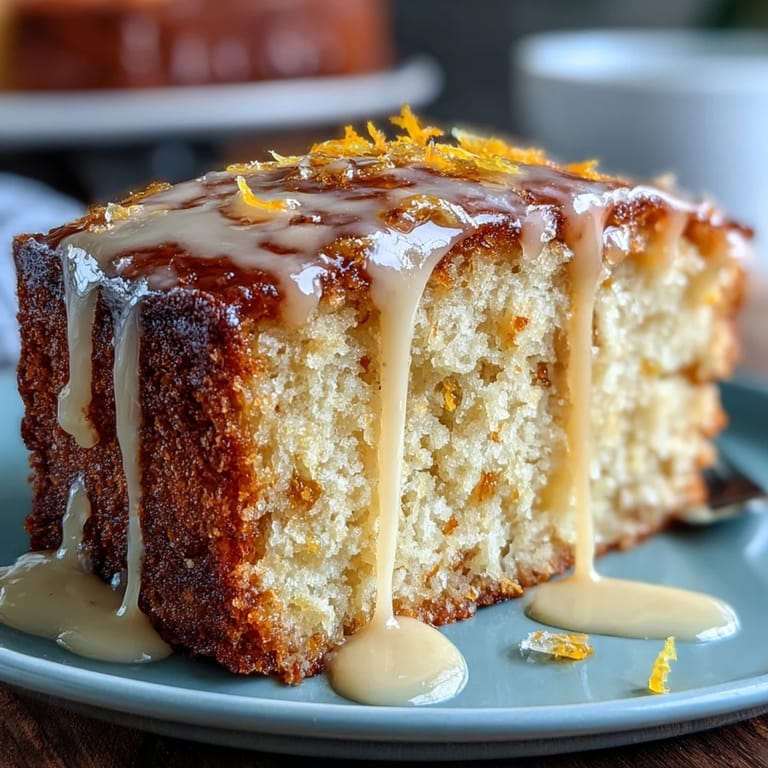
- While the cake cools, whisk together the sifted powdered sugar, blood orange juice, and zest until the mixture is smooth and pourable—thinner than frosting but thick enough to coat the back of a spoon. If it's too thick, add more juice a teaspoon at a time; too thin, add more powdered sugar the same way.
- Finish with the glaze:
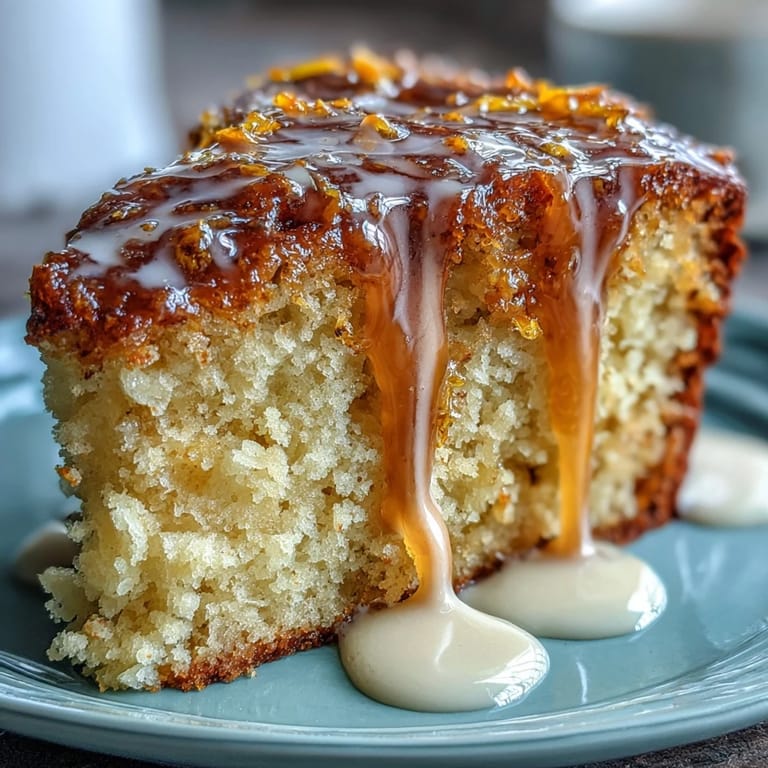
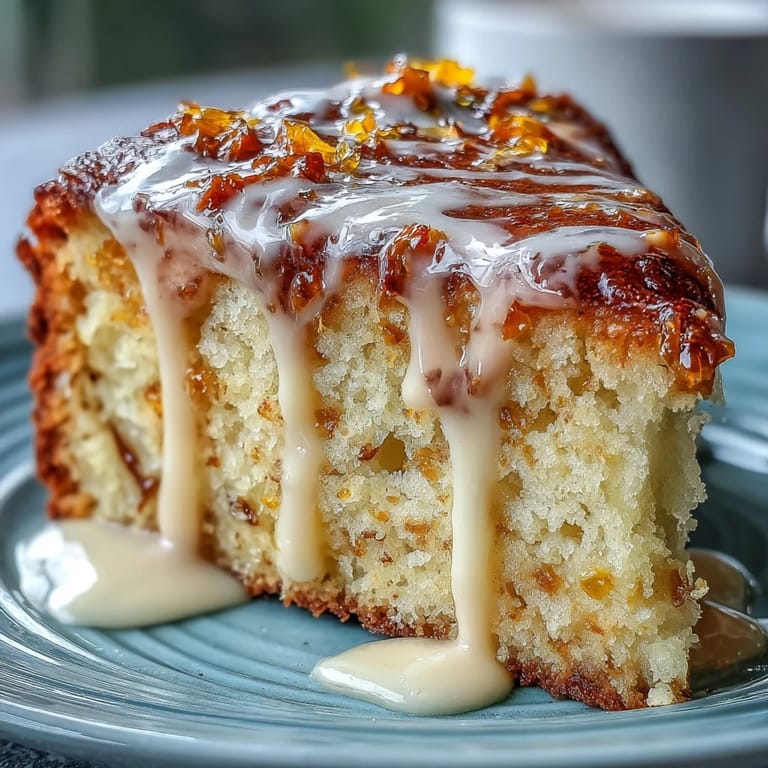
- Once the cake is completely cool, drizzle the icing over the top in whatever pattern feels right to you, letting it drip down the sides naturally. Let it set for at least 20 minutes before slicing, and then watch people's faces light up when they see that ruby-colored glaze.
 Save to Pinterest
 I served this cake at a dinner party where my friend Sarah, who never eats dessert, had two slices and asked if she could take the rest home. That moment told me everything—this isn't the kind of cake that feels heavy or overly sweet, it's the kind that makes you forget you're full because your brain is just processing how good citrus can taste when it's treated with this much care.
Why Blood Oranges Are Worth the Hunt
Blood oranges show up in markets for such a brief window—usually from January through April—that there's this beautiful urgency to using them. Their flavor is deeper and more complex than regular oranges, with these floral, almost wine-like undertones that make bakers and chefs act a little wild every winter. Once you've tasted blood orange in something like this cake, regular orange juice feels flat by comparison, which is why I always buy extra and freeze the juice in ice cube trays when they're in season.
The Greek Yogurt Secret
Using Greek yogurt instead of sour cream or buttermilk was a deliberate choice that changed everything about the texture and taste. Greek yogurt is thicker and tangier than sour cream, so it creates this dense, moist crumb that stays soft for days, and the tang actually plays beautifully with bright citrus instead of competing with it. I've watched people guess what the secret ingredient is, and no one ever says yogurt until I tell them—they think it's something much fancier.
Storing and Serving This Cake
This cake actually improves after a day, as the flavors meld and the crumb becomes even more tender—so there's no pressure to serve it immediately unless you want to. It stays fresh covered at room temperature for two days, or tucked in the fridge for up to four days, and you can even freeze it wrapped tightly for up to a month before icing.
- Serve it plain if you want the cake and icing to be the stars, or pair it with fresh berries or a small dollop of whipped cream for something more indulgent.
- If you're making this ahead for guests, ice it the morning of serving so the glaze looks fresh and glossy.
- Leftover cake slices are somehow even better the next day with your morning coffee, so don't feel bad about having some for breakfast.
 Save to Pinterest
 This cake tastes like winter sunshine captured in a loaf pan, and every time you make it, you're bringing a little bit of that brightness into your kitchen. Serve it with confidence and watch people taste something that feels both elegant and somehow deeply comforting.
Recipe FAQ
- → Can I use regular oranges instead of blood oranges?
Yes, you can substitute navel or Valencia oranges for blood oranges. The flavor will be slightly less tart and the color won't have that signature red hue, but the cake will still be delicious with classic orange citrus notes.
- → How should I store this cake?
Keep the cake covered at room temperature for up to 2 days. For longer freshness, refrigerate it—though bring to room temperature before serving for the best texture and flavor. The icing may soften slightly when refrigerated.
- → Can I make this cake dairy-free?
You can substitute coconut yogurt or almond yogurt for the Greek yogurt, though the texture may vary slightly. Use melted coconut oil as specified, and ensure your powdered sugar is vegan-friendly. The cake will still be moist and citrus-forward.
- → Why is my cake dense or heavy?
Overmixing the batter can develop too much gluten, making the cake dense. Fold the dry ingredients into the wet mixture just until combined—some small lumps are fine. Also ensure your eggs and yogurt are at room temperature for proper aeration.
- → Can I freeze this cake?
Yes, wrap the unfrosted cake tightly in plastic wrap and freeze for up to 3 months. Thaw at room temperature, then prepare and add the fresh icing just before serving. The texture remains excellent after freezing.
- → What can I serve with this cake?
Fresh berries like raspberries or strawberries complement the citrus flavors beautifully. A dollop of lightly sweetened whipped cream or vanilla ice cream makes for an elegant dessert. The cake also stands wonderfully on its own with afternoon tea or coffee.