 Save to Pinterest
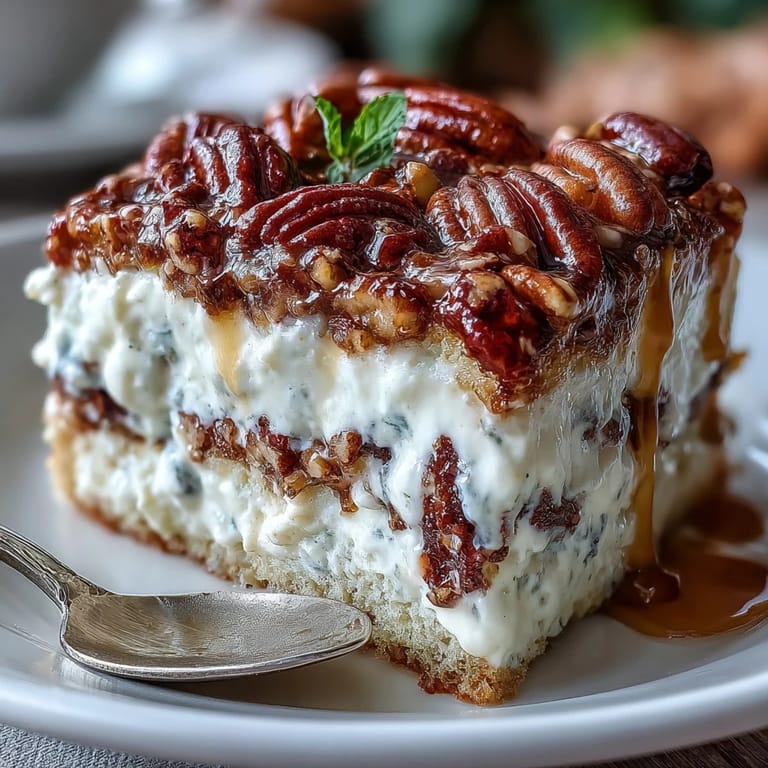
 My neighbor Maria handed me a slice of butter pecan tres leches cake at a block party, and I stood there on her porch in the summer heat, completely speechless. The cake was impossibly soft, soaked through with three kinds of milk that somehow tasted like a whispered secret, and those toasted pecans on top caught the light like little jewels. She laughed when she saw my face and said, "It's not as hard as people think," which turned out to be the most generous lie I've ever been told—and also somehow true.
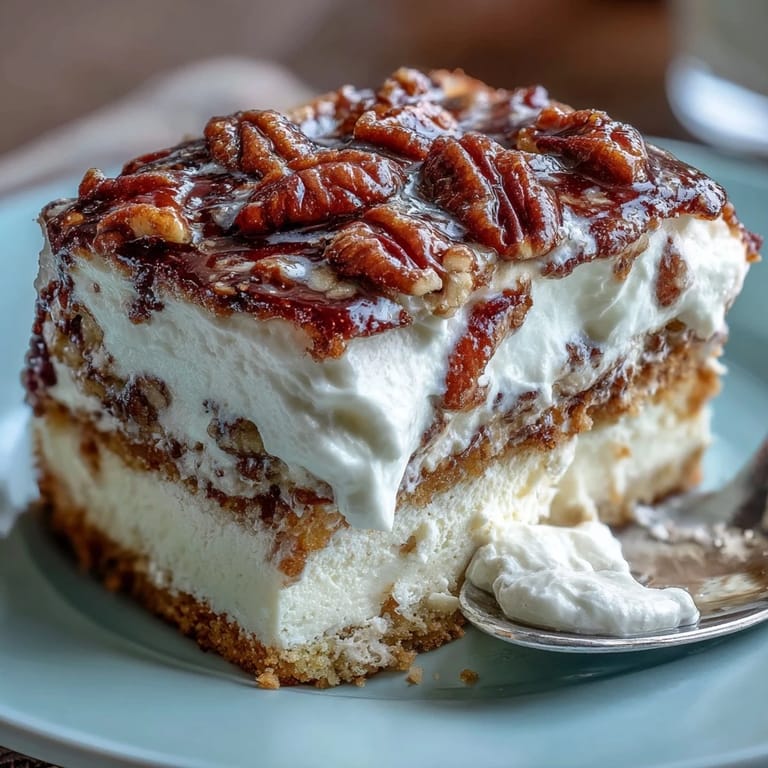
I made this for my daughter's birthday dinner last spring, and watching her eyes light up when she bit through that whipped cream into the soaked cake layers felt like I'd cracked some kind of code. Her friends asked for the recipe within minutes, and suddenly I was the person with the special dessert, which is a role I've grown to really enjoy.
Ingredients
- All-purpose flour: One cup is your foundation, and you'll want to whisk it with the baking powder and salt right away so there are no hidden pockets of baking powder waiting to surprise you.
- Baking powder: Just 1½ teaspoons keeps this cake tender without making it too fluffy or cake-like.
- Unsalted butter: Half a cup softened is essential—cold butter won't cream properly, so pull it out of the fridge about 30 minutes before you start.
- Granulated sugar: One cup creamed with the butter is what gives you that light, fluffy base that soaks up the milk mixture so beautifully.
- Eggs: Add them one at a time, because it matters—each egg needs a moment to fully incorporate before the next one joins the party.
- Sweetened condensed milk: This is the star of the tres leches mixture, bringing that subtle sweetness and richness that makes people ask if you used magic.
- Evaporated milk: The second milk does the heavy lifting in terms of moisture and body, giving you that signature silky texture.
- Whole milk: Fresh whole milk rounds out the trio, cutting through the sweetness just enough so the cake doesn't feel cloying.
- Pecans, chopped: Toast them in butter and brown sugar to wake them up—this step is where all the flavor happens, so don't skip it.
- Heavy whipping cream: One cup whipped into clouds is your final luxury, the cushion between you and all that creamy sweetness below.
- Powdered sugar and vanilla extract: Just enough to sweeten the cream without overpowering it.
Tired of Takeout? 🥡
Get 10 meals you can make faster than delivery arrives. Seriously.
One email. No spam. Unsubscribe anytime.
Instructions
- Start your oven and prep your pan:
- Heat your oven to 350°F and grease a 9x13-inch pan with butter, then dust it with flour so the cake releases cleanly. This is one of those moments where five minutes of prep saves you from disaster later.
- Mix your dry ingredients:
- Whisk together the flour, baking powder, and salt in a medium bowl and set it aside. This keeps everything from clumping and ensures even leavening throughout.
- Cream the butter and sugar:
- In a large bowl, beat the softened butter and granulated sugar together for about 3 to 5 minutes until it's pale, fluffy, and looks almost like frosting. You'll know it's ready when you lift the beaters and the mixture falls in thick ribbons.
- Add your eggs one at a time:
- Drop in each egg individually, beating well after each addition so they incorporate fully and the mixture stays smooth and emulsified. If you rush this step, you'll end up with a broken batter that bakes up dense.
- Build your batter gently:
- Alternate adding the flour mixture and milk to your butter mixture, starting and ending with flour, mixing just until combined. Over-mixing now will make your cake tough, so resist the urge to beat it into submission.
- Bake the cake:
- Pour the batter into your prepared pan and smooth the top evenly. Bake for 25 to 30 minutes until a toothpick inserted in the center comes out clean, and the kitchen smells like vanilla and butter.
- Prepare the tres leches mixture:
- While the cake is baking, whisk together the sweetened condensed milk, evaporated milk, whole milk, and coconut milk if you're using it. This is your magic potion, and it wants to be well combined and smooth.
- Cool and puncture the cake:
- Let the cake cool for 10 minutes, then grab a fork and poke holes all over the top—you want to create a landscape of small punctures that will drink in the milk mixture. Be gentle but thorough, covering every inch.
- Soak the cake:
- Pour the tres leches mixture slowly over the cake, letting it find its way into all those holes you've made. This is where patience pays off; let it sit for at least an hour, though overnight in the refrigerator is when the real magic happens.
- Toast your butter pecans:
- Melt the butter in a skillet over medium heat, add the chopped pecans and brown sugar, and stir frequently for about 5 minutes until the pecans smell toasted and the mixture is bubbly and caramelized. Stir in the vanilla and let it cool—this cooling step is crucial so you don't have hot pecans sliding off your whipped cream.
- Whip your cream:
- In a separate bowl, whip the heavy cream with powdered sugar and vanilla extract until stiff peaks form. You're looking for that moment when the cream goes from loose and glossy to holding its shape perfectly.
- Assemble your masterpiece:
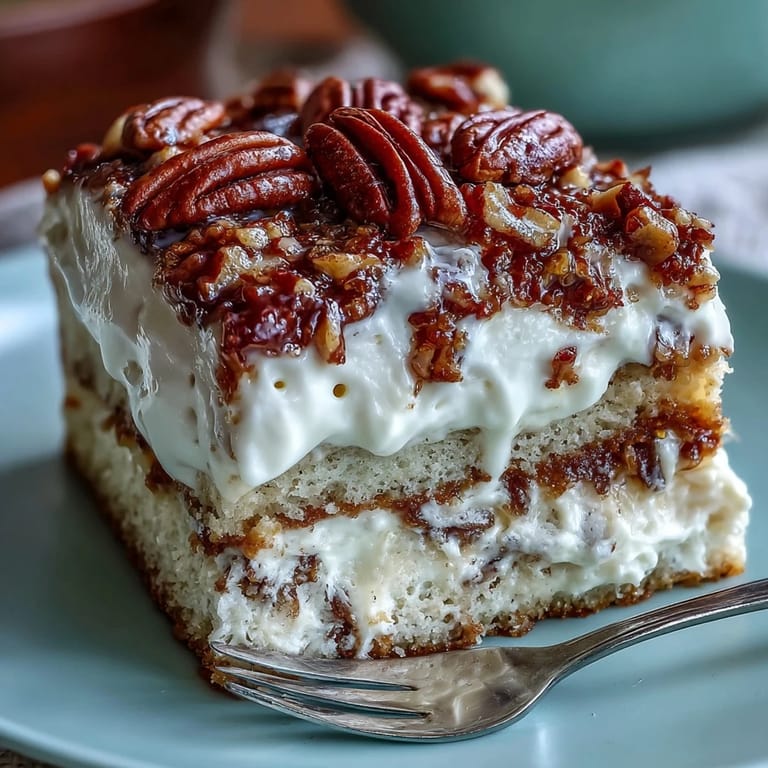
- Spread the whipped cream evenly over the chilled cake, then drizzle the cooled butter pecan mixture over the top. The contrast between the cool cream and the warm-toned nuts is part of the visual appeal.
- Serve with intention:
- This cake is best served chilled or at room temperature, and it stays delicious for several days if you keep it covered in the refrigerator. Each slice should show off all those layers, so cut with a sharp knife dipped in hot water between cuts.
 Save to Pinterest
 There's a moment right before you pour the milk mixture when the kitchen goes quiet, and you realize you're about to transform a regular cake into something that tastes like someone's been dreaming about it for months. That moment is yours to hold onto, because that's when you know you're making something that matters.
The Science of Soaking
Tres leches means "three milks," and each one brings something different to the party: the sweetened condensed milk adds richness and body, the evaporated milk contributes that silky, almost creamy texture, and the fresh whole milk cuts through with brightness. I learned this the hard way when I once tried to use just sweetened condensed milk and thought I was making a mistake—the cake was almost too rich, too sticky, and I nearly threw it out. That's when I realized the three different milks are balanced on purpose, each one doing its job so the final result is creamy but not heavy, sweet but not cloying. Understanding this balance changed how I approach the recipe, because now I know exactly why it works.
Timing and Temperature
This cake rewards patience in a way that not many desserts do—the longer it sits with those milk layers, the more it transforms. I've made this cake on an afternoon and served it that evening, and it was good, but I've also made it in the morning for a dinner party and watched everyone's faces when they realized how far superior the overnight version is. The cake has time to fully absorb the milk, the flavors meld together, and the texture becomes almost custard-like in the best possible way. Refrigerating it also makes it easier to work with when you're spreading on the whipped cream, because it's firmer and less likely to tear or slide around.
Customization and Variations
Once you've made this cake a few times, you'll start noticing little tweaks that make it yours: a dash of cinnamon or nutmeg in the milk mixture transforms it into something more autumnal, while a splash of rum or a hint of almond extract can add mystery. I once added a thin layer of dulce de leche under the whipped cream and nearly caused a neighborhood incident when word got out. The coconut milk is optional but worth trying at least once, because it adds a subtle richness that makes people tilt their head and wonder what they're tasting. You could also swap the pecans for walnuts, almonds, or even macadamias if you're feeling adventurous, though pecans are the classic for a reason.
 Save to Pinterest
 This cake has a way of becoming the thing people request, the dessert that earns you a reputation and fills your kitchen with the kind of anticipation that only happens when everyone knows something delicious is coming. Make it once, and it becomes part of your story.
Recipe FAQ
- → How long should the cake soak in the milk mixture?
For optimal results, refrigerate the cake overnight after pouring the tres leches mixture. This allows maximum absorption and creates the most tender texture. Minimum soaking time is 1 hour, but the longer rest period yields significantly better results.
- → Can I make this dessert ahead of time?
Absolutely. This cake actually improves when made 1-2 days ahead. The flavors meld beautifully during refrigeration, and the texture becomes increasingly moist. Add the whipped cream and pecan topping just before serving for best results.
- → What if I don't have coconut milk?
Coconut milk is entirely optional in this preparation. If omitted, simply increase the whole milk to 1 ½ cups. The tres leches mixture will still deliver the signature creamy, milk-soaked texture without any adjustments needed.
- → How do I store leftovers?
Keep refrigerated in an airtight container for up to 4 days. The milk-soaked texture remains excellent, though the whipped cream may soften slightly. Bring to room temperature 15 minutes before serving for the best flavor and texture experience.
- → Can I substitute the pecans?
Walnuts or toasted almonds work well as alternatives to pecans. For a nut-free version, consider adding crushed graham crackers or toasted coconut flakes instead. Adjust quantities to maintain the same crunchy topping texture.