 Save to Pinterest
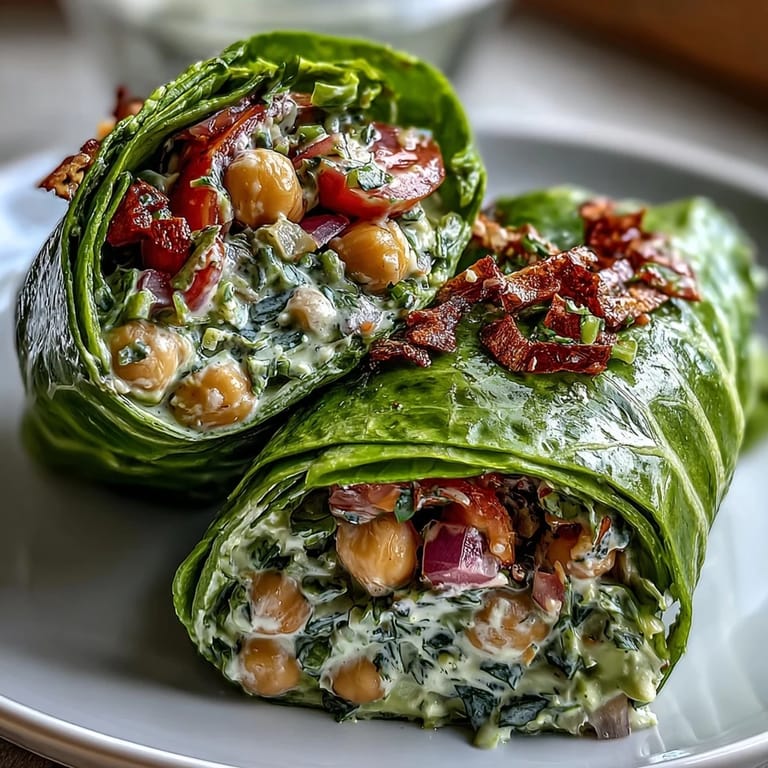
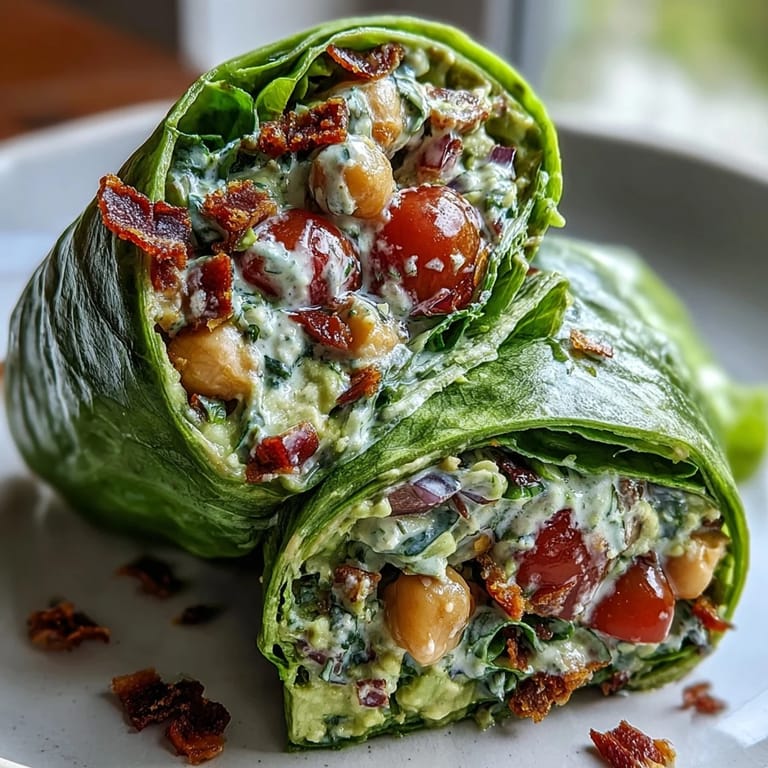
 There's something about spring that makes me want to eat greens straight from a colander without overthinking it. My friend texted me a photo of her farmer's market haul—lettuce so crisp it practically snapped—and I found myself standing in my kitchen an hour later, mashing avocado into chickpeas with the kind of focus usually reserved for important decisions. This wrap happened by accident, really, when I realized I had all these bright vegetables and no bread, but somehow it felt smarter that way.
I brought these to a picnic last summer where everyone was complaining about soggy sandwiches, and watching people realize they could actually hold these without them falling apart felt oddly triumphant. My sister asked for seconds, which never happens at potlucks—people are usually too busy eyeing the brownies.
Ingredients
- Chickpeas (one 15-oz can, drained and rinsed): They provide substance without heaviness, and rinsing them removes that starchy liquid that would make everything soggy.
- Ripe avocado (1 large, diced): The creaminess here does the work of mayo or tahini, so pick one that yields slightly to thumb pressure but isn't brown inside.
- Red onion (1/4 cup, finely chopped): Raw onion adds bite and won't turn mushy like cooked onion might, though you can soak it in ice water for a minute if the sharpness feels too aggressive.
- Cucumber (1/2 cup, diced): Choose one with thin skin and fewer seeds, or scoop out the center if yours is watery—nobody wants a soggy wrap.
- Cherry tomatoes (1/2 cup, quartered): These stay firmer than regular tomatoes and won't bleed color everywhere if you don't oversqueeze them.
- Fresh parsley or cilantro (1/4 cup, chopped): The herb you choose matters—cilantro adds peppery brightness while parsley feels more subtle and classic.
- Lemon juice (2 tbsp from about half a large lemon): Fresh lemon is non-negotiable here; bottled tastes thin and one-dimensional by comparison.
- Extra virgin olive oil (2 tbsp): This isn't the place to use your cooking oil—the fruitiness actually matters when there's no heat to develop flavor.
- Dijon mustard (1 tsp): It emulsifies the dressing and adds a small backbone that keeps everything from tasting one-note and watery.
- Garlic clove (1 small, minced): One clove is enough; more and you'll taste nothing else, which I learned the hard way during an overzealous phase.
- Sea salt and black pepper (1/2 tsp and 1/4 tsp): These wake up the entire dish, so don't skip them or reduce them thinking you're being healthy.
- Lettuce leaves (8 large, crisp ones): Romaine holds up best to a packed filling, but butter lettuce feels more delicate and elegant if you're trying to impress someone.
Tired of Takeout? 🥡
Get 10 meals you can make faster than delivery arrives. Seriously.
One email. No spam. Unsubscribe anytime.
Instructions
- Mash and combine the base:
- Dump your drained chickpeas and diced avocado into a large bowl and use a fork to mash them together gently, almost like you're making a rough guacamole but stopping before it gets too smooth—you want some chickpeas to stay whole so you get texture when you bite into it. This usually takes about 30 seconds of light pressure.
- Fold in the fresh vegetables:
- Add the red onion, cucumber, cherry tomatoes, and your herb of choice, then mix everything together with a light hand using a spatula or wooden spoon. Overdoing this step bruises the avocado and releases too much liquid from the vegetables, so keep it gentle and quick.
- Whisk the dressing:
- In a separate small bowl, combine lemon juice, olive oil, Dijon mustard, minced garlic, salt, and pepper, then whisk until it emulsifies slightly and looks cohesive. This takes maybe 30 seconds of actual whisking; you're not trying to create something airy, just uniform.
- Dress the salad:
- Pour the dressing over your chickpea mixture and toss gently until everything is coated evenly, making sure to reach the bottom of the bowl where the heavier ingredients settle. The mixture should look glossy and smell bright from the lemon.
- Prepare your lettuce shells:
- Lay out your washed and thoroughly dried lettuce leaves on a clean surface—dry lettuce is essential because wet leaves tear and won't hold the filling without falling apart. If your leaves are still damp, blot them gently with paper towels or spin them in a salad spinner.
- Assemble the wraps:
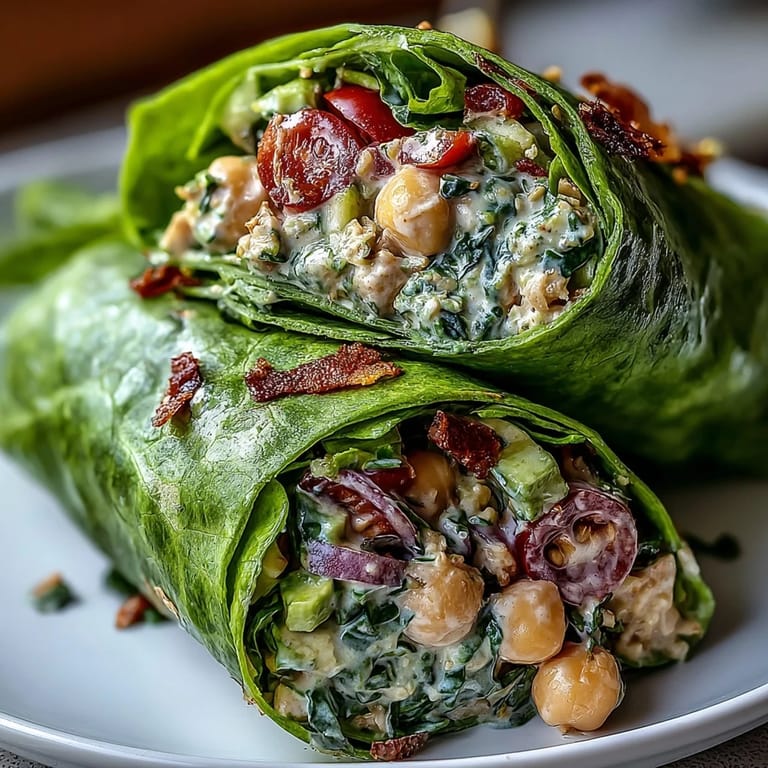
- Spoon the chickpea salad into the center of each lettuce leaf, dividing it evenly so each wrap gets its fair share of filling. Leave about an inch of lettuce around the edges so you have something to hold and fold.
- Garnish and finish:
- Top each wrap with optional additions like sliced radishes for crunch, shredded carrots for sweetness, or sprouts for texture, then fold the lettuce leaves around the filling like you're wrapping a small present. Serve immediately while everything is still crisp and the avocado hasn't oxidized.
 Save to Pinterest
 My neighbor brought these to a book club meeting and didn't tell anyone what was in them, and I watched three people who usually skip anything without meat or cheese come back for more. That moment when food surprises someone and changes their mind about what they think they like—that's when cooking stops being just about feeding yourself.
Why Lettuce Shells Are the Secret
The lettuce isn't just a carb substitute; it's a completely different eating experience. You get the crunch of raw greens in every bite, which means the wrap stays interesting from beginning to end instead of turning into something soft and collapsed halfway through. I tried this with whole grain wraps once and spent the entire meal wishing I'd just made it in a bowl instead, because something about the crisp-to-creamy contrast is what makes this particular combination sing.
Timing and Temperature Matter
Serve this immediately after assembly, while the lettuce is still cold and snappy and the avocado hasn't started to brown. If you're making these for a group and need them to sit for a bit, assemble them just before serving and keep the filling components separate in the fridge until the last moment. I learned this after making them 20 minutes early for a lunch meeting and watching them wilt into something that felt more like a salad than a structured wrap.
Ways to Personalize and Upgrade
This recipe is forgiving enough to bend to your preferences without falling apart. Add diced bell pepper if you want something sweeter, toss in a handful of shredded red cabbage for extra crunch, or crumble some feta cheese on top if you want richness and you're not serving this to vegans. You can also drizzle a tiny bit of tahini in the dressing if you want it to feel more substantial, or add a pinch of sumac if you're chasing bright, almost-citrusy flavor without using more lemon.
- Swap cilantro for parsley if you're in a peppery mood, or use both together for herbal complexity.
- Toast some seeds—sunflower, pumpkin, or sesame—and scatter them on top for protein and a roasted crunch that changes the texture profile.
- Keep everything in separate containers until you're ready to eat so each person can assemble their own wrap exactly how they like it.
 Save to Pinterest
 These wraps proved to me that sometimes the best meals don't need bread or heat or complicated techniques—just fresh vegetables, something creamy, and the good sense to let each component stay exactly what it wants to be. You'll make this again.
Recipe FAQ
- → Can I prepare the chickpea mixture in advance?
Yes, you can prepare the salad base and dressing separately and combine them just before assembly to keep the lettuce crisp.
- → What types of lettuce work best as wraps?
Large crisp leaves such as romaine, iceberg, or butter lettuce hold the filling well and provide a refreshing crunch.
- → Are there suggested garnishes to enhance flavor and texture?
Optional toppings like sliced radishes, shredded carrots, or sprouts add extra color, crunch, and flavor to the wraps.
- → How can I add more protein to this dish?
Sprinkling toasted seeds or adding crumbled feta (if not vegan) boosts the protein content while complementing the flavors.
- → What dressing ingredients create the zesty flavor?
The dressing combines lemon juice, extra virgin olive oil, Dijon mustard, garlic, sea salt, and black pepper for a tangy and balanced taste.