 Save to Pinterest
 The kitchen smelled like burnt garlic the first time I tried roasting vegetables for pasta. I had turned the oven too high and forgotten to stir them halfway through. But once I dialed it back and gave them the attention they deserved, something clicked. The caramelized edges, the sweet roasted peppers, the way everything clung to the pasta with just a bit of starchy water—it became my go-to whenever I wanted color and flavor without fuss.
I made this for a friend who swore she hated zucchini. She ate two bowls and asked for the recipe, which I took as a personal victory. Sometimes all it takes is a hot oven and a little olive oil to change someone's mind about a vegetable. We sat on the back porch with our bowls balanced on our knees, and she admitted she had been boiling zucchini her whole life, which explained everything.
Ingredients
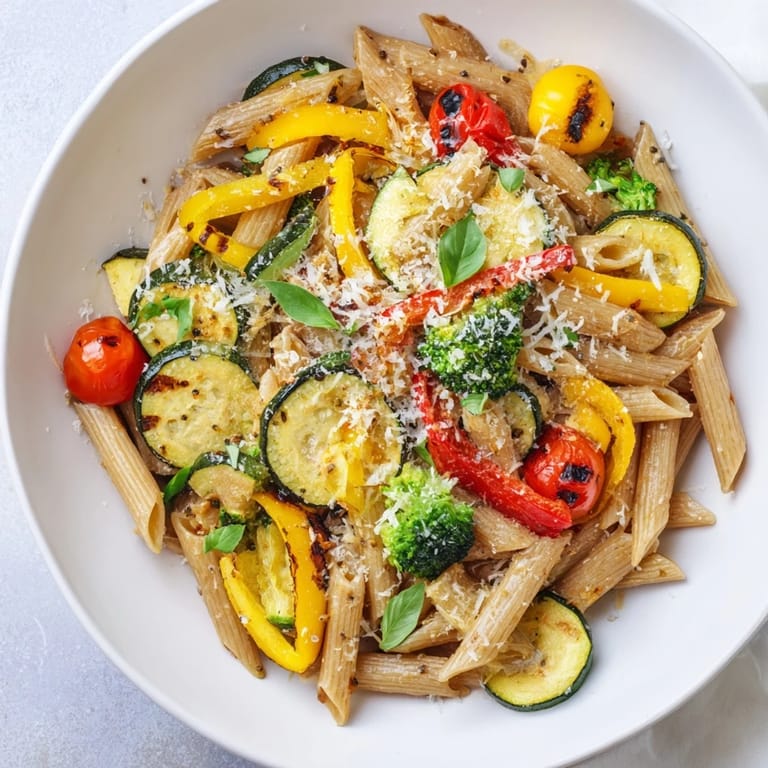
- Penne or fusilli pasta (340 g): The ridges and curves grab onto the olive oil and bits of roasted vegetable, making every bite full instead of slippery.
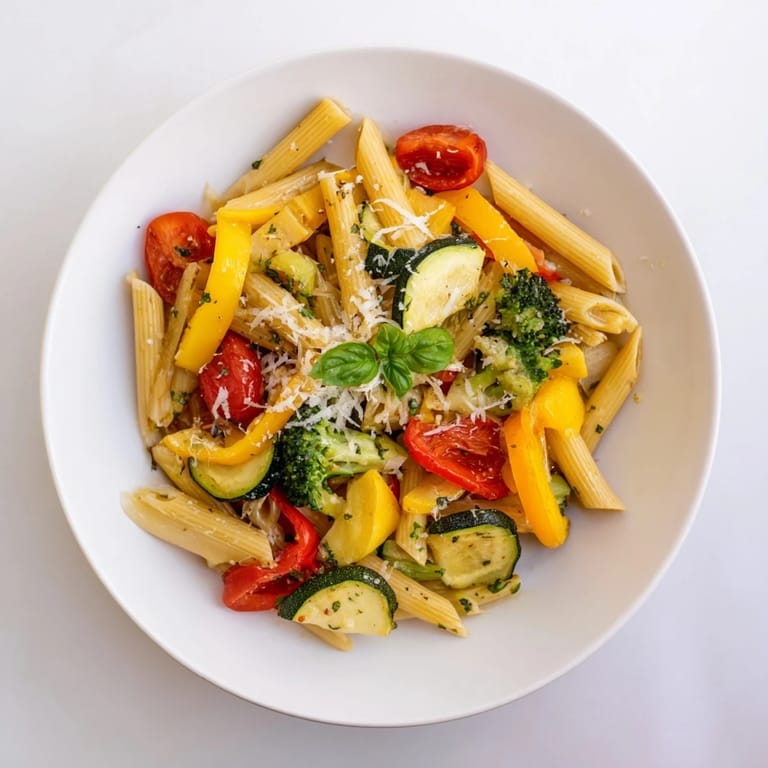
- Zucchini and yellow squash (1 medium each, sliced): They release water as they roast, so spreading them out in a single layer is the only way to get them caramelized instead of steamed.
- Red and yellow bell peppers (1 each, cut into strips): Roasting brings out their natural sweetness and gives them a slight char that balances the dish.
- Red onion (1 small, sliced): It softens and turns jammy in the oven, adding a mellow sharpness that does not overpower.
- Cherry tomatoes (150 g, halved): They burst and concentrate into little pockets of tangy sweetness that coat the pasta like a light sauce.
- Broccoli florets (120 g): The tips get crispy and the stems stay tender, giving you two textures in one vegetable.
- Extra virgin olive oil (3 tbsp, divided): Use a decent bottle here because it is one of the main flavors holding everything together.
- Garlic (3 cloves, minced): Sauté it just until it smells good, not until it turns brown and bitter.
- Dried Italian herbs (1 tsp): A blend of oregano, basil, and thyme works perfectly, or use whatever dried herbs you have open.
- Salt, black pepper, and red pepper flakes (½ tsp, ¼ tsp, pinch): Season the vegetables before roasting so the flavors sink in instead of sitting on the surface.
- Parmesan cheese (50 g, freshly grated): Freshly grated melts into the pasta and tastes sharper and creamier than the pre-shredded kind.
- Fresh basil or parsley (2 tbsp, chopped): Stir it in at the end so it stays bright green and fragrant.
- Lemon wedges (optional): A squeeze at the table wakes up the whole dish and cuts through the richness of the cheese.
Tired of Takeout? 🥡
Get 10 meals you can make faster than delivery arrives. Seriously.
One email. No spam. Unsubscribe anytime.
Instructions
- Preheat and prep your baking sheet:
- Set your oven to 220°C (425°F) and line a large baking sheet with parchment paper. This keeps the vegetables from sticking and makes cleanup easier.
- Season and spread the vegetables:
- Toss the zucchini, squash, peppers, onion, tomatoes, and broccoli with 2 tbsp olive oil, Italian herbs, salt, and pepper. Spread them in a single layer so they roast instead of steam.
- Roast until golden:
- Slide the sheet into the oven and roast for 18 to 20 minutes, stirring once halfway through. You want them tender with caramelized edges, not mushy.
- Cook the pasta:
- While the vegetables roast, boil a large pot of salted water and cook the pasta until al dente. Reserve half a cup of the starchy cooking water before draining.
- Sauté the garlic:
- Heat the remaining 1 tbsp olive oil in a large skillet over medium heat. Add the minced garlic and cook for about 30 seconds until it smells fragrant but has not browned.
- Combine everything:
- Add the roasted vegetables and drained pasta to the skillet. Toss gently, adding splashes of reserved pasta water to help everything cling together.
- Finish with cheese and herbs:
- Remove the skillet from the heat and stir in half the Parmesan and most of the fresh basil or parsley. Taste and adjust the salt and pepper if needed.
- Serve and garnish:
- Divide among bowls and top with the remaining Parmesan and herbs. Add a squeeze of lemon juice at the table if you want a little brightness.
 Save to Pinterest
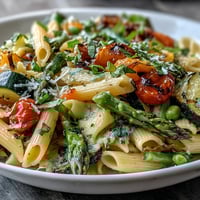
 One spring evening I made this with asparagus and snap peas instead of squash, and it tasted like the season had arrived on a plate. My neighbor wandered over and stayed for dinner, and we ended up talking until the sky turned purple. Food like this does not need much explanation, it just needs to be warm and shared.
Choosing Your Vegetables
The vegetables listed here are just a starting point. I have used asparagus in spring, eggplant in summer, and mushrooms in fall, and they all worked beautifully. The key is cutting everything into similar-sized pieces so they roast evenly. If you are using something dense like carrots or cauliflower, cut them smaller or give them a five-minute head start in the oven before adding the softer vegetables.
Making It a Complete Meal
This dish feels light on its own, but sometimes you want more protein without losing the vegetables as the star. I have stirred in canned chickpeas straight from the oven, and they pick up the seasoning beautifully. Sautéed shrimp or shredded rotisserie chicken also work if you want something quicker than cooking meat from scratch. Just fold them in at the end so they do not overcook.
Storage and Reheating
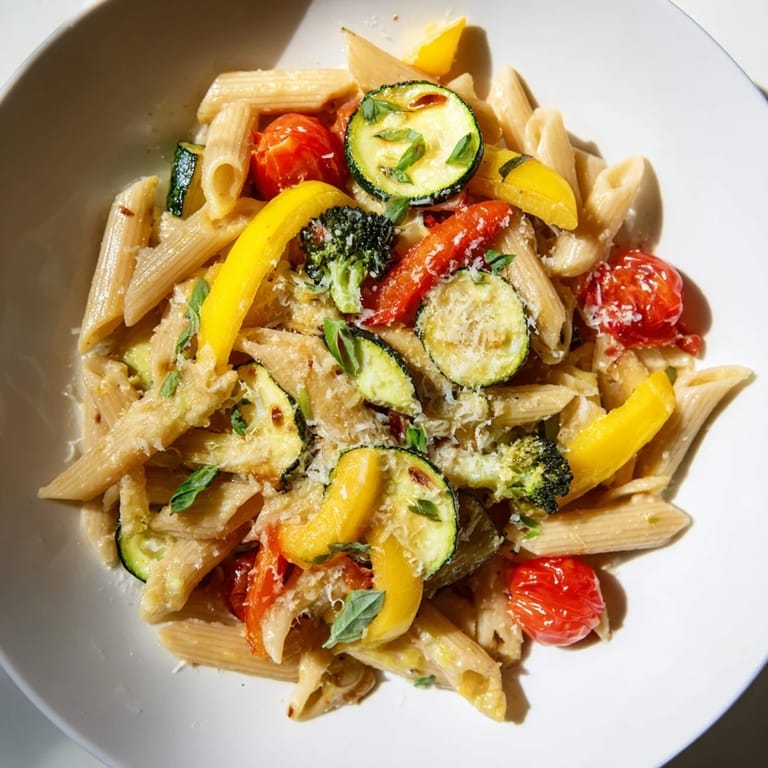
Leftovers keep in the fridge for up to three days, though the pasta will soak up some of the moisture and the vegetables will soften a bit. When reheating, add a splash of water or broth to the pan and warm everything gently over medium-low heat. You can also eat it cold as a pasta salad, which I have done more times than I care to admit while standing in front of the open fridge.
- Store in an airtight container and keep the extra Parmesan separate so it does not get gummy.
- Reheat on the stovetop instead of the microwave to keep the texture from turning rubbery.
- If the pasta seems dry, a drizzle of olive oil or a spoonful of pasta water brings it back to life.
 Save to Pinterest
 This is the kind of recipe that does not demand perfection, which is exactly why it works. It adapts to your mood, your pantry, and whoever happens to be sitting at your table.
Recipe FAQ
- → Can I prepare pasta primavera ahead of time?
Best served immediately for optimal texture. However, you can roast vegetables 4 hours ahead and store in the refrigerator. Cook pasta fresh when ready to serve, then combine with room-temperature roasted vegetables.
- → What vegetables work best for roasting?
Choose seasonal vegetables with similar cooking times: zucchini, yellow squash, bell peppers, broccoli, asparagus, and cherry tomatoes. Avoid watery vegetables like mushrooms or spinach, which release moisture and create steam rather than browning.
- → How do I achieve caramelized roasted vegetables?
Spread vegetables in a single layer without crowding. Use high heat (220°C/425°F), coat lightly with olive oil, and stir halfway through. This allows proper air circulation and direct heat contact for browning rather than steaming.
- → Can I add protein to this dish?
Absolutely. Sauté 200g diced chicken or shrimp with garlic before adding vegetables. For vegetarian protein, add chickpeas, white beans, or crispy tofu. Incorporate during the final tossing step.
- → What type of pasta works best?
Medium shapes like penne, fusilli, or farfalle catch roasted vegetable pieces and sauce effectively. Avoid long pasta like spaghetti, which doesn't trap vegetables well. Choose bronze-cut pasta for better sauce adherence.
- → How do I make this gluten-free or dairy-free?
Use certified gluten-free pasta (brown rice or chickpea varieties hold texture well) and confirm all packaged ingredients meet standards. For dairy-free, omit Parmesan or substitute with nutritional yeast for cheesy flavor and umami depth.