 Save to Pinterest
 There's something about watching fish transform in a hot pan that still catches me off guard—that precise moment when the flesh goes from translucent to opaque, when you know it's exactly right. I stumbled onto this bowl method during a busy weeknight when I had fish, rice, and whatever vegetables were lingering in the crisper drawer, and somehow it felt less like scrambling and more like painting with ingredients. The lemon sauce came later, born from the realization that everything needed a little brightness, a little voice to tie it all together.
I served this to my sister last summer when she was going through a health-conscious phase, and what struck me wasn't her approval of the nutritional balance—it was how she went quiet for a moment after the first bite, then asked for the recipe. That's when I realized it wasn't about being good for you; it was about tasting good, full stop.
Ingredients
- Flaky white fish (cod, halibut, or tilapia), 4 fillets about 150g each: The type matters less than freshness, but I've found that thinner fillets cook more evenly and stay tender instead of turning chalky.
- Olive oil, 1 tablespoon for fish and 2 tablespoons for vegetables: Use a mid-range quality oil; you want flavor without burning.
- Salt, freshly ground black pepper, and smoked paprika: The paprika is optional but adds a whisper of warmth that makes people ask what the secret is.
- Jasmine or basmati rice, 1 cup: Jasmine rice has a subtle floral note that pairs beautifully with the lemon, but basmati works perfectly if that's what you have.
- Water, 2 cups, and salt, 1/2 teaspoon: The ratio here is foolproof; I've never had rice fail with these measurements.
- Zucchini, red bell pepper, red onion, and cherry tomatoes: These are my go-to vegetables, but squash, asparagus, or broccoli work equally well depending on the season.
- Dried oregano, 1 teaspoon: Don't skip the herb; it's what makes roasted vegetables taste intentional rather than accidental.
- Unsalted butter, 2 tablespoons, and fresh garlic, 2 cloves: The butter enriches the lemon sauce, while garlic keeps it from feeling one-dimensional.
- Fresh lemon, juice and zest, plus fresh parsley, 1 tablespoon chopped: Fresh citrus makes an enormous difference; bottled juice tastes thin by comparison.
Tired of Takeout? 🥡
Get 10 meals you can make faster than delivery arrives. Seriously.
One email. No spam. Unsubscribe anytime.
Instructions
- Heat your oven and prep vegetables:
- Preheat to 220°C (425°F), then toss your zucchini, bell pepper, onion, and tomatoes with olive oil, salt, pepper, and oregano. Spread everything in a single layer on a baking sheet—crowding the pan means they'll steam instead of caramelize.
- Get the rice going:
- Rinse the rice under cold water to remove excess starch, then combine with water and salt in a saucepan. Bring to a boil, then drop the heat low, cover, and let it simmer for 12 to 15 minutes until the water disappears. The standing time afterward is crucial; it lets the rice finish cooking gently.
- Prepare the fish with intention:
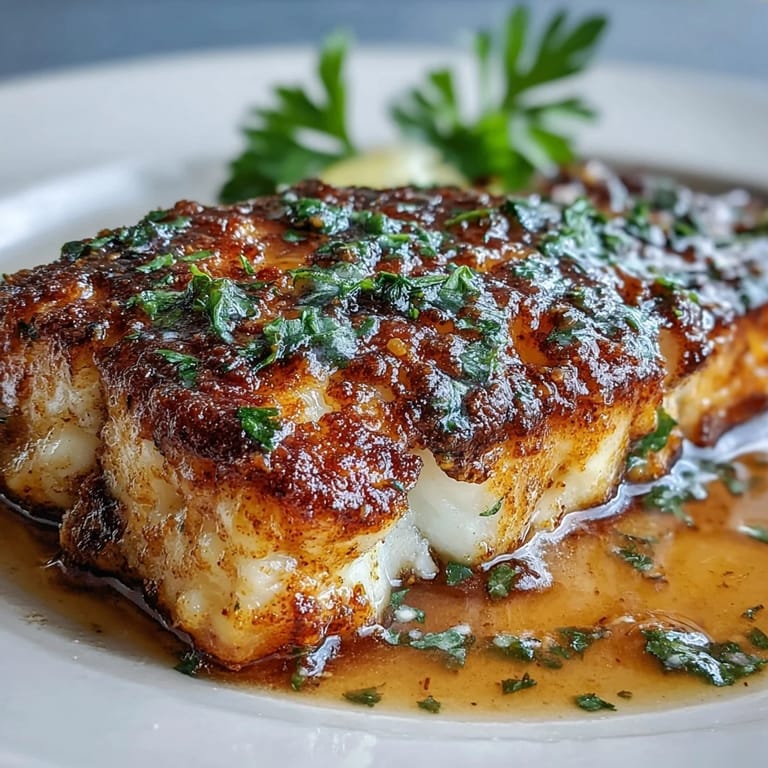
- Pat your fillets completely dry with paper towels—this is what creates that beautiful golden crust. Season both sides generously with salt, pepper, and paprika if you're using it.
- Sear the fish until it's golden:
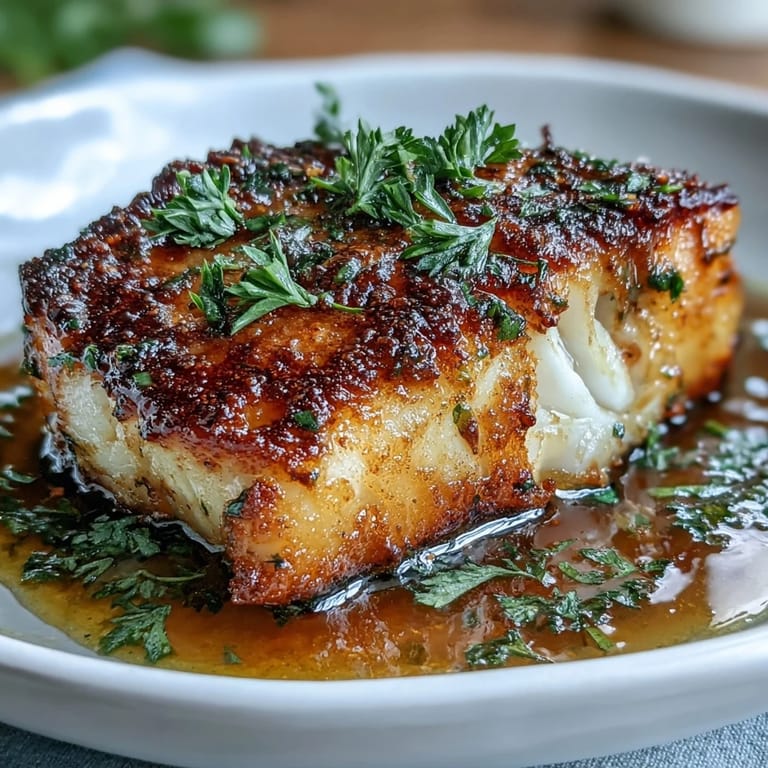
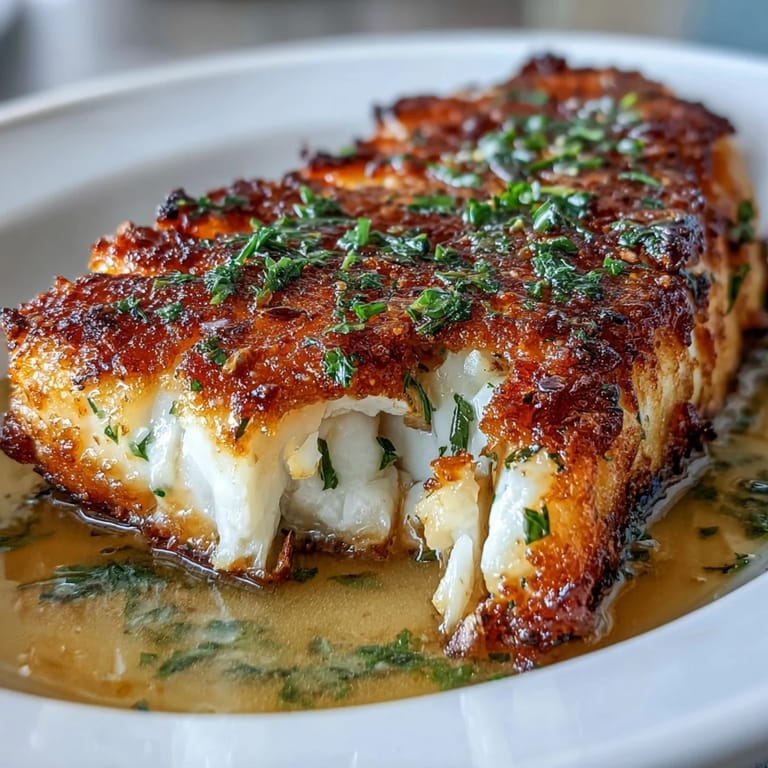
- Heat oil in a large nonstick skillet over medium-high heat until it shimmers. Place the fish skin-side up (if it has skin) and let it cook undisturbed for 3 to 4 minutes until the bottom is golden, then flip and cook the other side for about 3 minutes. The fish should flake easily when you press it gently with a fork.
- Make the lemon sauce while everything rests:
- Melt butter in a small saucepan over medium heat, add minced garlic, and let it become fragrant without browning—about 1 minute. Stir in lemon juice, zest, parsley, salt, and pepper, then remove from heat immediately. Taste it; it should taste bright and alive.
- Assemble the bowls with care:
- Fluff the rice with a fork and divide among four bowls. Top each portion with roasted vegetables and a fish fillet, then drizzle generously with the lemon sauce. Garnish with extra parsley if you want it to look restaurant-ready.
 Save to Pinterest
 What I love about this bowl is that it became a Sunday ritual for a while, when I'd meal-prep elements separately and assemble them fresh each evening. It turned a simple dinner into a small act of care, which is maybe what cooking is really about.
Choosing Your Fish Wisely
The fish you choose sets the tone for everything. Cod is forgiving and flaky, halibut is buttery and elegant, and tilapia is mild and approachable. Ask your fishmonger what came in that morning; they'll steer you toward what's actually fresh instead of what's been sitting for days. The smell tells you everything—fresh fish should smell like the ocean, not fishy.
Roasting Vegetables Until They're Perfect
The vegetables deserve attention because they're what makes this bowl feel abundant rather than austere. Spread them in a single layer so each piece has contact with the hot pan of the oven, and don't stir them halfway through—let them sit undisturbed so they develop color and caramelization. The cherry tomatoes might burst slightly; that's exactly what should happen. After 18 to 20 minutes, they should be tender with brown edges, not soft and steamed.
The Lemon Sauce Secret
This sauce is what transforms four separate components into something that feels cohesive and intentional. The butter carries the lemon and garlic across every element of the bowl, tying the fish to the rice to the vegetables. Make it fresh, never ahead of time, and taste as you go—lemon strength varies wildly, so you might need more juice or more zest depending on what you have.
- If you're dairy-free, swap the butter for a good olive oil and warm it gently with the garlic.
- Fresh parsley matters; dried parsley tastes like cardboard by comparison.
- Add the lemon zest right before serving so it doesn't oxidize and lose its brightness.
 Save to Pinterest
 This bowl has become my answer to weeknight dinners that feel deliberate without being complicated. It proves that you don't need a long ingredient list or fancy techniques to make something that tastes like care.
Recipe FAQ
- → What type of fish works best for pan-searing?
Firm white fish like cod, halibut, or tilapia hold well during pan-searing and develop a golden crust without breaking apart.
- → Can I substitute the rice with other grains?
Yes, quinoa or brown rice can be used as alternatives, offering different textures and added nutrition.
- → How can I ensure the vegetables roast evenly?
Cut vegetables into similar-sized pieces and toss with olive oil, salt, pepper, and oregano before spreading them in a single layer on the baking sheet.
- → What is the best way to make the lemon sauce?
Sauté minced garlic in butter until fragrant, then stir in fresh lemon juice, zest, parsley, salt, and pepper for a bright, flavorful sauce to drizzle over the dish.
- → How do I avoid overcooking the fish?
Cook fish fillets over medium-high heat for 3-4 minutes per side until golden and opaque, removing promptly to maintain tenderness.
- → Can the dish be made dairy-free?
Yes, replacing butter in the lemon sauce with olive oil keeps the dish dairy-free without sacrificing flavor.