 Save to Pinterest
 My neighbor Maria showed up at my door one April afternoon with a bottle of homemade Limoncello and the most mischievous grin. She insisted I had to make a cake with it, refusing to leave until I promised. That evening, as I creamed butter and sugar while the smell of fresh lemon zest filled my kitchen, I understood her enthusiasm—this wasn't just another dessert, it was spring captured in a pan. The first slice still warm from the oven, dripping with glaze, made me text her immediately: worth the ambush.
I made this cake for a small gathering last summer and watched people's faces shift when they tasted it—that moment when something tastes exactly how they hoped it would. One guest asked if I'd added vodka (nope, just the Limoncello), another said it tasted like sunshine. That's when I realized this cake does something special: it makes people feel noticed, like you baked their favorite season into something edible.
Ingredients
- All-purpose flour (2 ½ cups): The backbone of the cake—don't sift it unless you want a denser crumb, and yes, I learned that the hard way by over-measuring.
- Baking powder (2 tsp): This lifts the cake gently so it stays tender, not dense and heavy.
- Salt (½ tsp): A tiny whisper that makes the lemon flavor pop rather than fade.
- Unsalted butter (1 cup), softened: Room temperature is not a suggestion—cold butter will fight you during creaming and you'll lose the fluffy texture that makes this cake sing.
- Granulated sugar (2 cups): This and the butter are your dynamic duo; spend the time creaming them properly and the cake will reward you.
- Large eggs (4), room temperature: Cold eggs can break the emulsion you've worked to build, so pull them out 20 minutes early.
- Lemon zest (1 tbsp): Use a microplane and zest before juicing—it's the difference between whisper and shout in the finished cake.
- Fresh lemon juice (¼ cup): Bottled juice tastes tinny here; fresh squeezed is the only move.
- Limoncello liqueur (⅓ cup): This is where the magic lives—the alcohol bakes off but the essence stays, keeping everything moist and complex.
- Pure vanilla extract (1 tsp): Vanilla grounds the brightness so you don't feel like you're eating pure acid.
- Whole milk (½ cup), room temperature: Room temperature matters because you're alternating it with flour, and temperature consistency helps the batter emulsify smoothly.
- Powdered sugar (1 ½ cups), sifted: Lumpy glaze is sad glaze—spend 30 seconds sifting and you'll notice immediately.
- Fresh lemon juice for glaze (2–3 tbsp): Adjust to your preference; thicker glaze needs less juice, drippy glaze needs more.
- Limoncello liqueur for glaze (1 tbsp optional): If you're using it, the glaze becomes less about brightness and more about subtle complexity.
- Lemon zest for glaze (1 tsp): A final flourish that catches light and reminds you this cake means business.
Tired of Takeout? 🥡
Get 10 meals you can make faster than delivery arrives. Seriously.
One email. No spam. Unsubscribe anytime.
Instructions
- Prepare your stage:
- Heat the oven to 350°F and grease your Bundt pan with butter, then dust it with flour—this method works better than cooking spray for pound cakes because it gives the edges something to grip. Set out all your ingredients so you're not hunting while the mixer runs.
- Whisk the dry team:
- In a medium bowl, whisk flour, baking powder, and salt together; this distributes the leavening evenly so you don't get weird pockets of density in your cake. Set it aside and forget about it for now.
- Cream butter and sugar into clouds:
- Put softened butter and sugar in your mixer bowl and beat on medium speed for 3 to 4 minutes, scraping down the sides halfway through—you're looking for something pale, fluffy, and noticeably lighter than when you started. This step is everything; rushing it means a dense cake, so set a timer and actually wait.
- Add eggs one at a time with confidence:
- Drop in an egg, beat for about 30 seconds, then add the next one—this keeps the batter from getting confused and breaking. When all four eggs are in, the mixture should look silky and almost mousse-like.
- Wake it up with citrus and liqueur:
- Add the lemon zest, lemon juice, Limoncello, and vanilla all at once, mixing on low speed for about 30 seconds—you're waking up the flavors but not deflating all that air you just worked into the batter. The mixture might look slightly curdled, which is okay; the flour will bring it back together.
- Weave flour and milk together:
- Add a third of the flour mixture, mix gently, then add half the milk, mix gently, then another third of flour, the rest of the milk, and finish with the last flour—alternate like this and the batter stays tender and smooth. Stop the mixer the moment you don't see streaks of flour; overmixing is the enemy of a delicate crumb.
- Transfer and smooth:
- Pour the batter into your prepared pan and smooth the top gently with a spatula—don't obsess over it, but make it roughly level so it bakes evenly.
- Bake until the kitchen smells like a lemon orchard:
- Bake for 50 to 55 minutes, checking at 50 with a toothpick inserted into the center—it should come out clean or with just a crumb or two clinging to it. If you see wet batter, give it another 3 minutes and check again.
- Cool with patience:
- Let the cake sit in the pan for 15 minutes; this helps it set enough to turn out without collapsing. Run a thin knife around the edges, invert onto a wire rack, and let it cool completely—at least an hour—before glazing.
- Make the glaze taste like liquid gold:
- Sift powdered sugar into a bowl and whisk in lemon juice a tablespoon at a time until you have something pourable but not runny—it should coat the back of a spoon and drip slowly. Add Limoncello if you want and the final pinch of zest.
- Glaze and set:
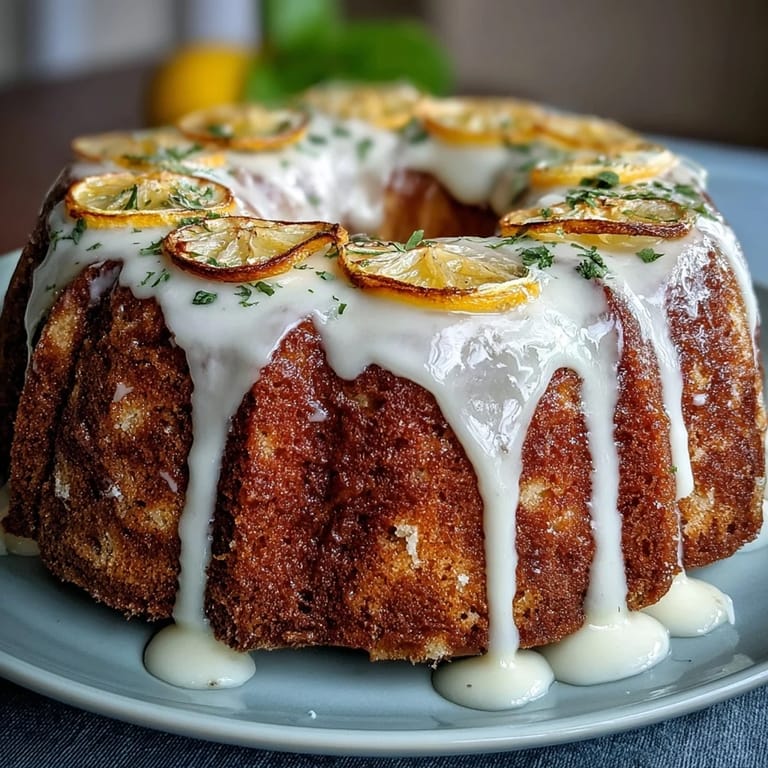
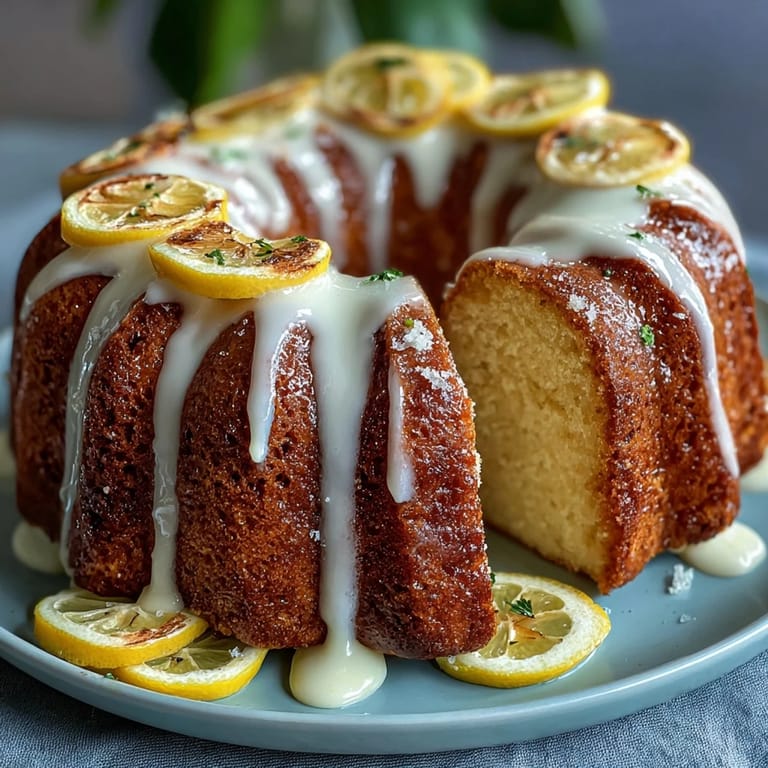
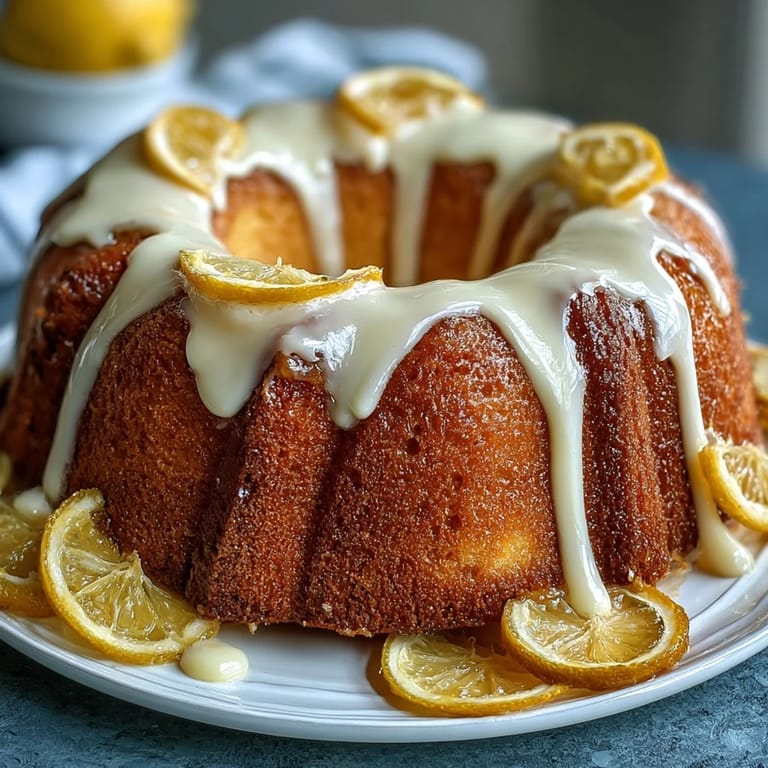
- Drizzle the glaze over the completely cooled cake, letting it pool in the crevices if it's a Bundt and run down the sides if it's a loaf—let it sit for 15 minutes so it sets slightly before slicing. If you glaze a warm cake, the glaze melts right off and you've wasted your work.
 Save to Pinterest
 The first time I brought this cake to a potluck, I was nervous—would people like it, would the glaze hold up during transport, would the Limoncello be too much? But watching the cake disappear and hearing people ask for the recipe, I understood that some things transcend technique. This cake became the thing people asked me to bring, the dessert that made them feel like their afternoon was special.
The Magic of Limoncello in Baking
Limoncello isn't just a digestif—it's a secret ingredient that transforms ordinary lemon cakes into something almost ethereal. The alcohol bakes off completely, but it leaves behind a complexity and moisture that you can't replicate with juice alone. It's like the difference between describing a memory and actually being there; the Limoncello gives the cake dimension, a quiet richness that makes people pause and ask what you did differently.
When to Bake This Cake
This cake belongs to spring and early summer, when fresh lemons are everywhere and the weather feels bright again. I also make it for birthdays because it doesn't need fancy frosting or careful decoration—the glaze does all the talking and the flavor speaks louder than any fondant could. It's equally at home on a simple plate as it is at an elegant brunch, which is probably why people keep asking for it.
Storage and Serving Wisdom
This cake actually improves after a day in an airtight container—the flavors settle and the crumb becomes somehow more tender, like it's thinking about what just happened. It keeps for three days at room temperature and up to five days refrigerated, though honestly it never lasts that long in my house.
- Serve it at room temperature so the lemon flavor isn't muted by cold.
- A thin slice with afternoon tea or at the end of dinner feels more refined than you'd expect.
- Leftovers don't exist if you mention there are leftovers, so maybe just enjoy those quietly.
 Save to Pinterest
 This cake reminds me that the best recipes aren't the complicated ones—they're the ones that make people feel seen, that taste like someone cared. Make this cake once and it becomes yours, something you share with people you want to make smile.
Recipe FAQ
- → Can I make this without alcohol?
Yes, you can substitute the Limoncello with additional fresh lemon juice to maintain the citrus flavor without the alcohol content.
- → What type of pan works best?
A 10-cup Bundt or standard loaf pan works perfectly to bake this pound cake evenly with a tender crumb.
- → How to ensure the cake is moist?
Using full-fat butter, milk, and carefully alternating wet and dry ingredients helps maintain moisture and tenderness in the cake.
- → Is it necessary to use powdered sugar for the glaze?
Powdered sugar blends smoothly with lemon juice and Limoncello for a silky glaze that complements the cake's texture.
- → How long should I cool before glazing?
Allow the cake to cool completely on a wire rack after baking and removing it from the pan to ensure the glaze sets properly.