 Save to Pinterest
 My daughter came home from school one afternoon absolutely deflated because her friends were trading snacks at lunch, and she had nothing exciting to show for it. That weekend, I found myself standing in the kitchen with an armful of vegetables and a tub of hummus, determined to make lunchbox magic happen. These little snack cups turned everything around—suddenly she was the one people wanted to trade with, and honestly, I loved watching her eyes light up when she'd crack open that lid and see the colorful vegetables waiting inside.
I remember packing these for a family road trip last summer, watching my son pull out a snack cup at a rest stop and realizing he was genuinely choosing vegetables over the chips his siblings were eating. There was something about the little cups—the portability, the freshness, the built-in dip—that made the whole eating experience feel intentional and fun instead of obligatory.
Ingredients
- Hummus: This is your base, so choose one you actually enjoy eating—whether that's roasted red pepper, classic, or something with extra garlic will completely change the personality of these cups.
- Carrots: Cut them into sticks rather than coins so they stand up nicely in the hummus and are easier to grab.
- Cucumber: Slice lengthwise into sticks and they'll stay crunchier longer than rounds.
- Red and yellow bell peppers: The sweetness balances the earthy hummus beautifully, plus the bright colors make everything look more appetizing.
- Snap peas: These are texture heroes—they add that satisfying crunch that makes people actually want to eat the snack.
- Cherry tomatoes: They're the jewels in the crown, bursting with flavor and adding a pop of juiciness.
- Celery and jicama (optional): Celery brings a nostalgic crunch, while jicama adds an unexpected sweetness that surprises people in the best way.
Tired of Takeout? 🥡
Get 10 meals you can make faster than delivery arrives. Seriously.
One email. No spam. Unsubscribe anytime.
Instructions
- Wash and prep your vegetables:
- Rinse everything under cold water and pat dry—this step matters more than you'd think because wet vegetables will make the hummus soggy faster. Cut them into sticks and bite-sized pieces while your knife is sharp and your hands are willing.
- Divide the hummus:
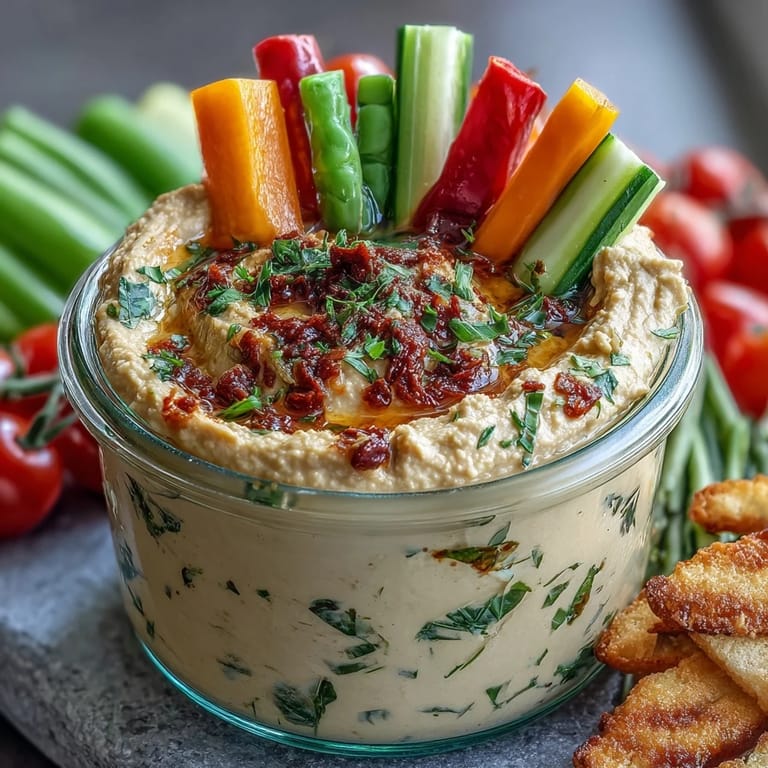
- Spoon about 1/4 cup of hummus into each of your 6 small cups, spreading it slightly to create little valleys where the vegetables can nestle in. If your hummus is thick, a light drizzle of olive oil on top makes it even creamier and more inviting.
- Arrange your vegetables:
- Stand the vegetable sticks upright in the hummus like a colorful garden—this is partly practical because it's the easiest way to grab them, but it also looks beautiful and makes people want to dig in immediately. Mix up the arrangement in each cup so there's variety from cup to cup.
- Chill and cover:
- Snap those lids on and let them sit in the fridge for at least an hour before eating, which helps everything set and the flavors meld slightly. They'll stay fresh and delicious for up to 2 days, though honestly they rarely last that long.
 Save to Pinterest
 There was this moment at my son's soccer tournament when another parent asked what was in the snack cup he was munching on, and within five minutes three other kids were asking their parents if they could have some too. What started as a practical lunch solution became this little currency of cool, and I realized food is about so much more than nutrition—it's about making people feel cared for and thought about.
Flavor Upgrades That Change Everything
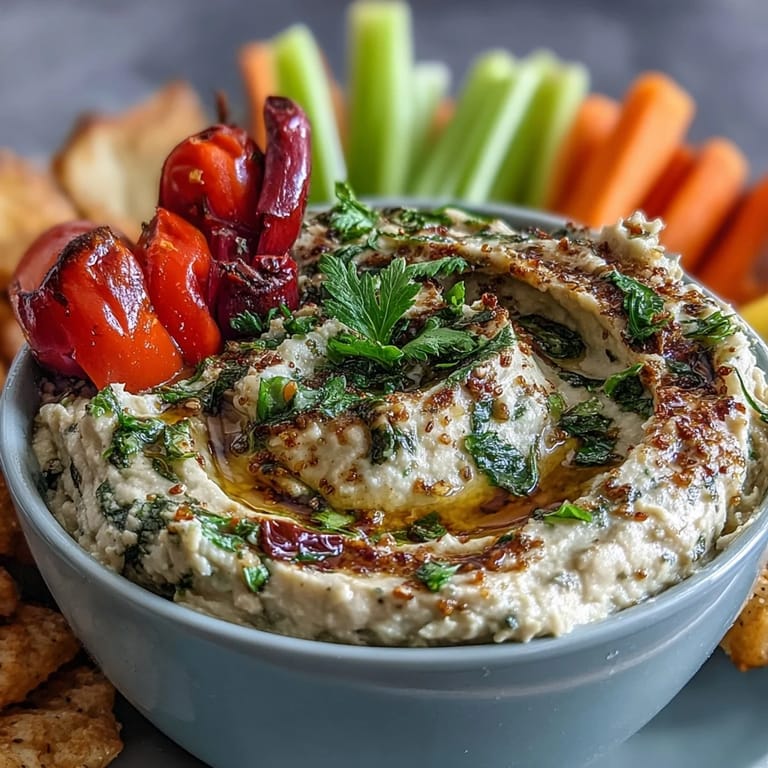
Plain hummus is wonderful, but the real magic happens when you take five seconds to add something extra. A sprinkle of paprika or zaatar on top of the hummus before you add the vegetables adds this smoky, complex flavor that makes people lean back and say, 'Wait, what is that?' A drizzle of really good olive oil does something similar, but in a more subtle way that just makes everything taste richer and more intentional.
Seasonal Vegetable Swaps
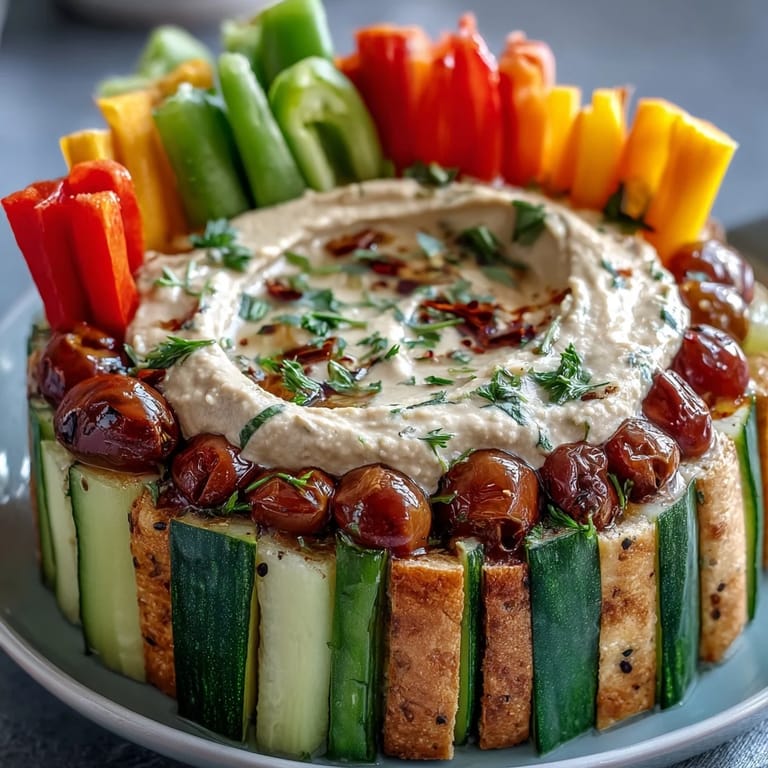
One of my favorite things about this recipe is how it shifts with the seasons without requiring you to learn something completely new. In spring, blanched green beans and fresh radishes become your stars; summer brings those perfect cherry tomatoes and snap peas; fall lets you use more roasted vegetables if you want to warm things up; and winter is when those sturdy carrots and celery really shine. Pay attention to what's actually good at your farmer's market—the vegetables that look alive and smell amazing are the ones that will make these snack cups sing.
Protein Additions and Make-It-Heartier Ideas
Sometimes I add a few cubes of baked tofu or some crumbled feta cheese (if we're not doing dairy-free that day) because it transforms this from a snack into something that could almost work as a light lunch. Even just a handful of nuts scattered on top or mixed into the hummus adds staying power and makes it feel more substantial. The beauty is you can play with what you have on hand—this recipe is forgiving and flexible, which is exactly when cooking feels the most creative.
- Baked tofu cubes add plant-based protein and a slightly chewy texture that contrasts beautifully with the crisp vegetables.
- A sprinkle of sunflower seeds or pumpkin seeds takes about two seconds and adds a nutty crunch that makes everything better.
- Crumbled cheese or chickpeas turn this into a more filling snack that actually holds people over until dinner.
 Save to Pinterest
 These little cups have become my secret weapon for making people feel nourished and cared for, whether they're heading to school, work, or an afternoon adventure. There's something deeply satisfying about knowing that somewhere out there, someone is enjoying something you made with your own hands.
Recipe FAQ
- → What vegetables work best with hummus in these cups?
Crunchy vegetables like carrots, cucumbers, bell peppers, snap peas, and cherry tomatoes complement the creamy hummus texture perfectly.
- → Can I prepare these snack cups ahead of time?
Yes, you can prepare and refrigerate the cups for up to two days to maintain freshness and convenience for busy days.
- → How can I add extra flavor to the hummus?
Sprinkle paprika, zaatar, or drizzle olive oil over the hummus before adding the vegetables to boost depth of flavor.
- → Are there protein options to include in the snack cups?
Adding baked tofu sticks or cheese cubes offers extra protein, suitable for those not following dairy-free diets.
- → What tools are needed to assemble these snack cups?
A sharp knife and cutting board for vegetable prep, plus small lidded cups or jars to hold the hummus and veggies are essential.