 Save to Pinterest
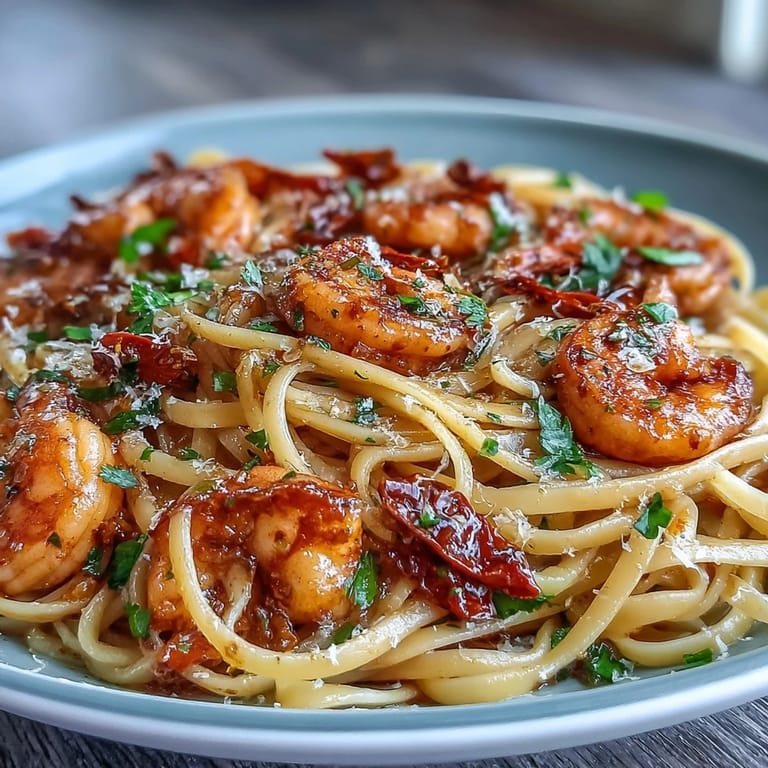
 There's something about the smell of garlic hitting hot olive oil that stops me mid-conversation every single time. Years ago, a friend texted me last-minute asking if I could make dinner for four in under thirty minutes, and this was the dish that saved the evening. The shrimp turned pink so quickly, the pasta water created this silky sauce without a drop of cream, and suddenly everyone was asking for the recipe between bites. It became my secret weapon for nights when I needed something that looked impressive but felt completely effortless.
I made this for my partner on a random Tuesday when we both had terrible days at work, and watching them light up after the first bite reminded me why I love cooking. There's something about a bowl of steaming pasta with garlic-soaked shrimp that feels like an immediate reset button. The kitchen smelled incredible, and we barely spoke, just ate and let the food do the talking. Simple moments like that are why I keep coming back to this recipe.
Ingredients
- Large shrimp (400 g or 14 oz), peeled and deveined: Get the largest ones you can find because they stay tender and juicy when cooked briefly, and they feel more luxurious on the plate than smaller shrimp.
- Linguine (350 g or 12 oz): The flat shape catches the garlicky oil beautifully, but spaghetti or fettuccine work just as well if that's what you have.
- Garlic (5 cloves), thinly sliced: Slicing instead of mincing gives you these tender, almost sweet pieces that don't disappear into the sauce but also won't burn if you're not watching every second.
- Red chili peppers (1 to 2), thinly sliced, or red pepper flakes (1 tsp): Fresh peppers give you bursts of heat throughout the dish, but flakes distribute more evenly if you prefer a consistent warmth.
- Fresh flat-leaf parsley (1 small bunch), chopped: This isn't decoration; it brightens the whole dish and adds a peppery note that makes everything taste fresher.
- Lemon zest and juice (from 1 lemon): The zest goes in early to infuse the oil, and the juice at the end wakes everything up, cutting through the richness perfectly.
- Extra-virgin olive oil (3 tbsp): Use something you actually like the taste of because you can taste every drop here, and good oil makes a real difference in the final flavor.
- Dry white wine (2 tbsp, optional): The acidity helps cut through the richness, but honestly, the lemon juice does the same job if you don't have wine open.
- Salt and freshly ground black pepper, to taste: Don't skip the grinding step; pre-ground pepper tastes stale against the brightness of everything else.
Tired of Takeout? 🥡
Get 10 meals you can make faster than delivery arrives. Seriously.
One email. No spam. Unsubscribe anytime.
Instructions
- Start the pasta first:
- Bring a large pot of salted water to a rolling boil and add linguine, stirring occasionally so the strands don't stick together. Cook until al dente (usually a minute or two under the package time) because it'll continue cooking slightly when you toss it with the hot shrimp and sauce. Before draining, scoop out and reserve about half a cup of that starchy pasta water because it's liquid gold for bringing everything together at the end.
- Bloom your aromatics:
- While the pasta cooks, pour olive oil into a large skillet and set it over medium heat, then add your sliced garlic and chili. Let them get golden and fragrant after about a minute or two, listening for a gentle sizzle but watching carefully so they don't brown and turn bitter. The moment they smell amazing is the moment to move forward.
- Sear the shrimp quickly:
- Add your shrimp to the pan, sprinkle with salt and pepper, and let them sit for a full minute on one side before stirring so they get a light golden edge. They'll turn from gray to pink in just two to three minutes, and that's your signal they're done; overcooked shrimp gets rubbery and sad. Stir in your lemon zest at the very end of this step so it doesn't scorch but still infuses the oil.
- Deglaze if using wine:
- Pour in the white wine if you have it open, and let it bubble and reduce for about thirty seconds, which burns off the harsh alcohol notes and leaves just the acidity. Skip this if you don't have wine because your lemon juice will do the same thing.
- Bring it all together:
- Add your drained linguine directly to the skillet along with a splash of that reserved pasta water, tossing everything together gently so the starch from the water creates a silky sauce that coats each strand. The pasta will continue absorbing liquid for a few seconds, so don't add all your pasta water at once; you can always add more if it looks too dry.
- Finish with freshness:
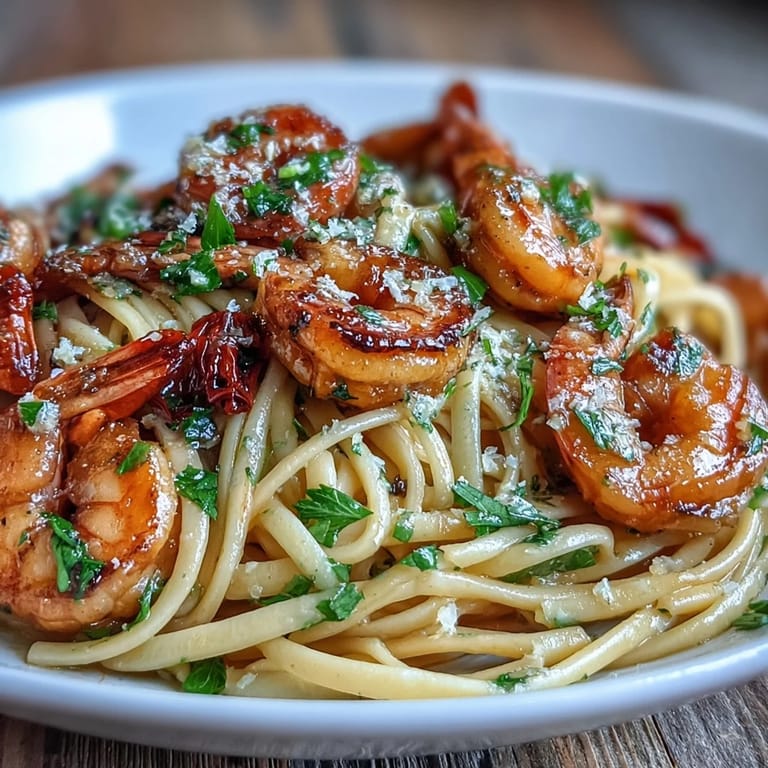
- Remove the pan from heat, scatter in your chopped parsley, squeeze the lemon juice over everything, and taste to adjust salt and pepper. Serve immediately while it's steaming, because this dish doesn't wait around.
 Save to Pinterest
 I learned the hard way that undercooked shrimp is worse than overcooked shrimp, but just barely overcooked is still okay because the residual heat continues cooking them even after you remove the pan. My first attempt at this dish was a rescue mission where I pulled my shrimp at what I thought was thirty seconds too early, and they ended up being perfect. Now I always err on the side of pulling them when they're still a tiny bit translucent in the center, trusting that the hot pan and the final toss will finish the job.
The Magic of Pasta Water
That starchy, salted water you're supposed to throw away is actually your best friend in Italian cooking. When you toss hot pasta with fat and starch, it creates an emulsion that coats every strand instead of just sliding off. I discovered this by accident when I was too distracted to drain the pasta properly and ended up with the creamiest, most luxurious sauce without a single drop of cream, and now I do it on purpose every time.
Timing Is Everything
This entire dish takes thirty minutes from cold stovetop to steaming bowl, which sounds impossible until you realize that almost everything is happening at the same time. The pasta goes in first, which gives you exactly the right window to cook your aromatics and shrimp while that pasta is getting tender. By the time you're done with the pan work, your pasta is ready, and everything comes together in a warm skillet with no scrambling or waiting around.
Variations Worth Trying
Once you understand how this dish works, it becomes a framework for experimentation rather than a rigid formula. I've made it with canned white beans instead of shrimp on vegetarian nights, added burst cherry tomatoes at the end for extra brightness, and even stirred in a handful of spinach for a more substantial meal. The core technique stays the same, just the starring ingredient changes.
- Try adding a pinch of dried oregano or red pepper flakes while the garlic is blooming for a more intense herb flavor.
- Finish with a small handful of crispy breadcrumbs on top for texture if you're in the mood for something a bit more substantial.
- A grating of parmesan cheese is optional but delicious if you want to add richness, just adjust the salt accordingly.
 Save to Pinterest
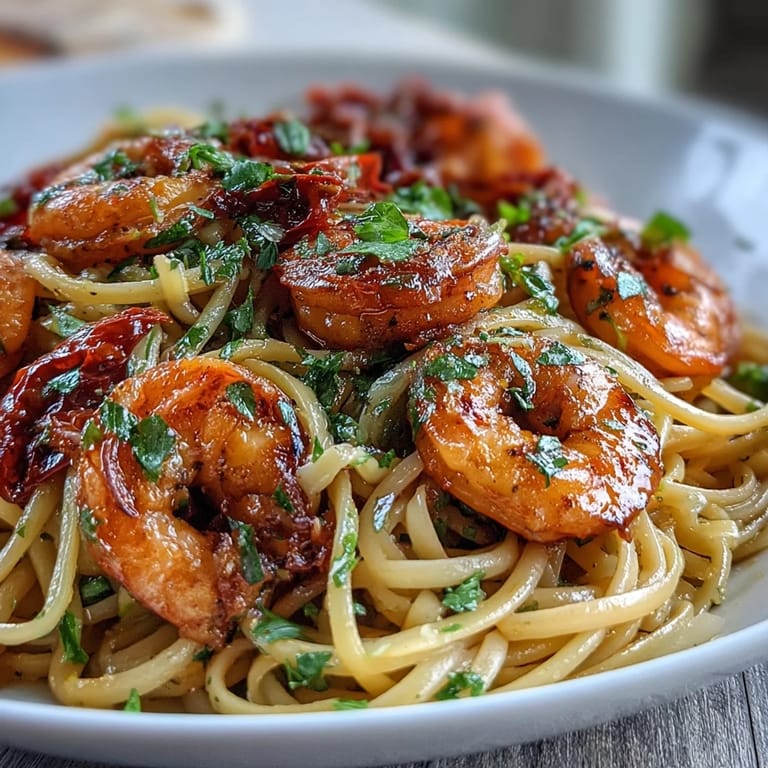
 This is the kind of dish that proves you don't need complicated techniques or a long ingredient list to make something restaurant-quality and genuinely delicious. Keep this in your back pocket for nights when you're hungry, short on time, but unwilling to sacrifice eating something that feels special.
Recipe FAQ
- → How can I adjust the spice level?
Add more sliced chili peppers or increase red pepper flakes to intensify the heat, or reduce them for a milder taste.
- → Can I substitute linguine with other pasta?
Yes, spaghetti or fettuccine work well as alternatives and maintain the dish’s texture and flavor balance.
- → Is white wine necessary for this dish?
White wine is optional; it adds subtle acidity and aroma, but freshly squeezed lemon juice also contributes brightness.
- → What’s the best way to cook shrimp for this dish?
Sauté shrimp in olive oil over medium heat until just pink and cooked through to keep them tender and juicy.
- → How to preserve fresh parsley flavor?
Stir in chopped parsley off the heat just before serving to retain its fresh, vibrant aroma and color.