 Save to Pinterest
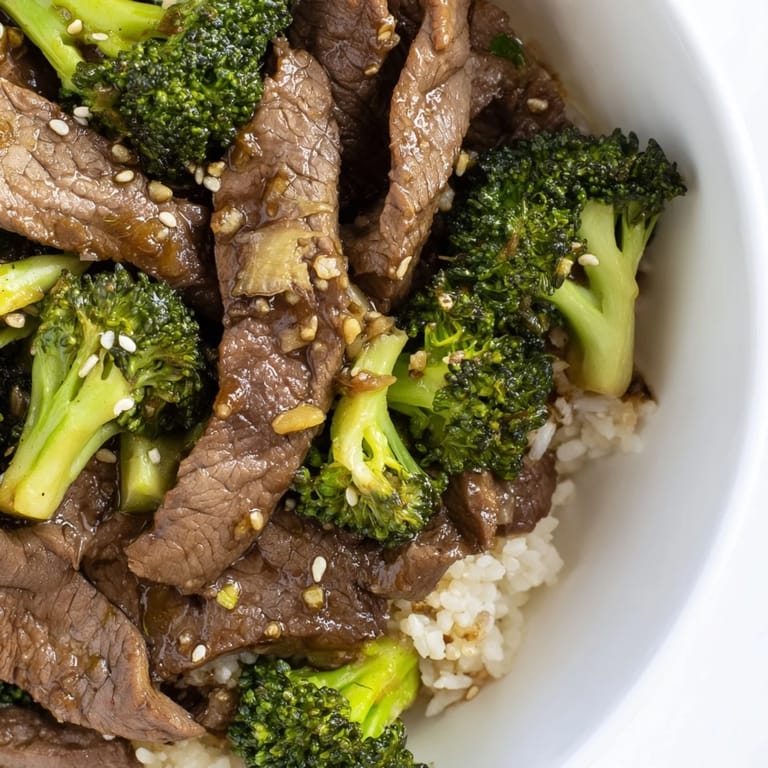
 There's something about the sound of beef hitting a screaming hot wok that never gets old. I learned to make beef and broccoli on a Tuesday night when my roommate challenged me to recreate the takeout we'd been ordering every Friday for months. The first time, I cut the beef too thick and it stayed rubbery no matter how long I cooked it, but that failure taught me everything about slicing against the grain and the magic of high heat. Now it's become my weeknight go-to when I need something that tastes impressive but won't keep me in the kitchen past dinner time.
I made this for my mom during one of those visits where I wanted to prove I could cook something she'd actually enjoy, and watching her break the broccoli into smaller pieces to make it last longer told me everything about how much she loved it. She asked for the recipe that same night, and I realized the real victory wasn't impressing her but creating something she'd want to make herself.
Ingredients
- Flank steak, thinly sliced: This cut has enough marbling to stay tender when cooked fast, and slicing against the grain is the secret that makes it tender instead of chewy. I learned this the hard way after my first rubbery attempt.
- Cornstarch: It's what gives the beef that silky coating and helps the sauce cling properly. The first tablespoon coats the meat, the second goes in the sauce for that glossy thickened finish.
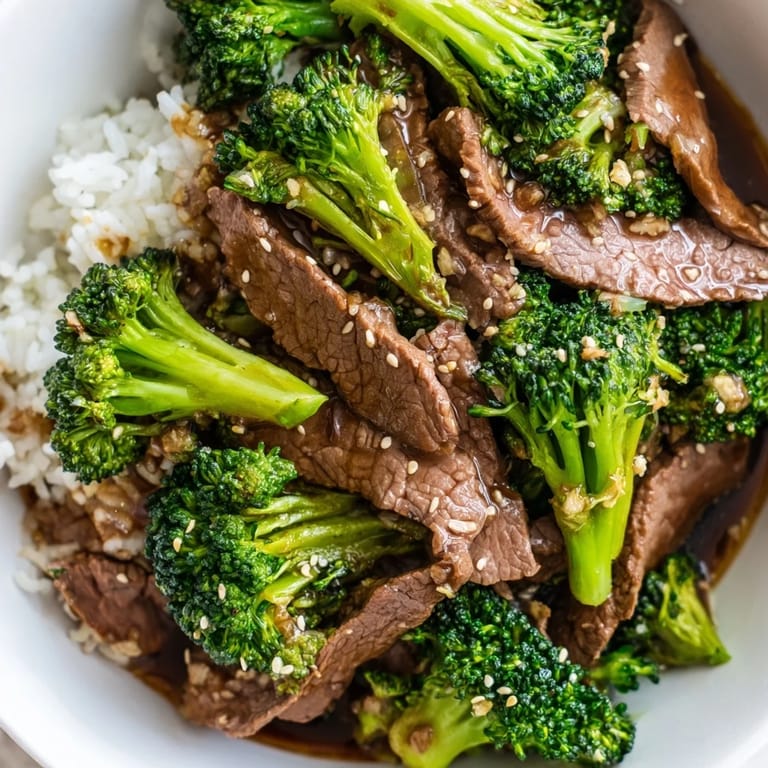
- Broccoli florets: Cut them into roughly the same size so they cook evenly. Small crowns cook faster and get crispier edges, which is exactly what you want here.
- Garlic and fresh ginger: These aren't just background flavors, they're the spine of everything. Freshly minced and grated makes all the difference in brightness.
- Soy sauce and oyster sauce: Soy brings the salt and umami depth, while oyster adds a subtle sweetness that rounds out the savory notes. Use good quality if you have it.
- Brown sugar and sesame oil: A teaspoon of brown sugar dissolves into the sauce and adds subtle caramel notes. Sesame oil is the finisher that makes it taste like someone who knows what they're doing made it.
- Jasmine rice: It's fragrant and fluffy, and it won't get mushy even if your sauce is a bit wetter than planned.
Tired of Takeout? 🥡
Get 10 meals you can make faster than delivery arrives. Seriously.
One email. No spam. Unsubscribe anytime.
Instructions
- Coat and rest the beef:
- Toss your thin beef slices with soy sauce and cornstarch, and let it sit for at least 10 minutes. This isn't just seasoning, it's giving the beef a protective coat that'll help it stay juicy when it hits the heat.
- Mix your sauce ahead:
- Whisk everything together in a small bowl and set it right within arm's reach of the stove. You'll thank yourself when things are moving fast and you don't have to scramble.
- Get the wok screaming hot:
- Heat your oil until it's shimmering and almost smoking. This is where takeout magic happens, so don't skip this step just because you're in a hurry.
- Sear the broccoli first:
- The high heat turns the florets bright green and gives them crispy edges while keeping them tender inside. Two to three minutes is the sweet spot, and the kitchen will smell incredible.
- Sear the beef without stirring:
- Add the marinated beef to the pan and leave it alone for a full minute. Resist the urge to move it around, because that's when the golden crust forms and the beef locks in its juices.
- Build the flavor layers:
- After the beef is seared, stir in the garlic and ginger for just 30 seconds until the aroma fills the kitchen. That fragrance is your signal you're doing it right.
- Bring it together:
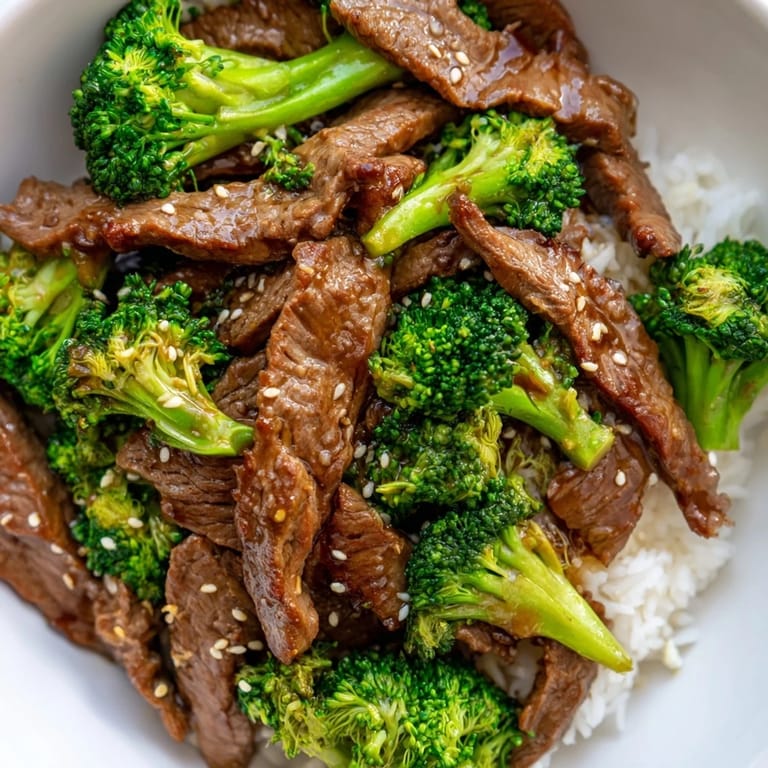
- Return the broccoli, pour in the sauce, and stir everything for a minute until the sauce thickens into a glossy coat that clings to every piece. Serve over hot rice immediately.
 Save to Pinterest
 One night my friend asked why I always seem so calm when I cook, and I realized it's because when you make something this often, your hands know what to do. The beef and broccoli has become my meditation, the one dish that's both impressive enough to share and simple enough that I can make it without thinking.
Why High Heat Changes Everything
The difference between good stir-fry and great stir-fry is heat. When I use my cast iron skillet instead of a regular pan, the results are noticeably better because cast iron holds temperature so aggressively that the broccoli gets these almost charred edges while staying tender inside. The beef develops a proper crust instead of steaming, and the whole dish gets this complexity that you can't fake on a medium flame. I've made this dish on every type of cookware I own, and nothing compares to the speed and flavor of a properly heated wok or cast iron.
The Rice Canvas
Rice is the silent hero that brings the whole plate together. Jasmine rice works best because it's fragrant and stays fluffy under the sauce without turning into mush, but I've successfully used basmati and even plain long-grain when that's what I had on hand. The key is making sure your rice is hot and freshly cooked so it absorbs the sauce properly. Undercooked rice will stay grainy and weird, overcooked rice becomes a mushy base that doesn't hold the dish up the way it should.
Making It Your Own
This recipe is flexible enough to adapt to what you have and what you like. I've made versions with tofu that are just as satisfying as the beef version, swapped broccoli for bok choy or snap peas, and even added cashews for texture. The sauce formula is so solid that you can riff around it without losing what makes the dish work. Once you understand the ratio of soy to oyster sauce and how the cornstarch thickens everything, you stop following recipes and start cooking by feel.
- A tiny pinch of white pepper adds heat without making it spicy, and it somehow makes the whole dish taste more authentic.
- Rice wine or mirin brings another layer of sweetness and depth that elevates it from weeknight dinner to something that tastes like it came from a serious kitchen.
- Keeping the garnishes on hand means you can make it look restaurant-ready in the last 30 seconds before plating.
 Save to Pinterest
 Beef and broccoli has become the dish I make when I want to feel like I know what I'm doing in the kitchen, and also when I want to prove it to someone else. It's unpretentious and honest, the kind of food that tastes like it came from a place where people actually cook.