 Save to Pinterest
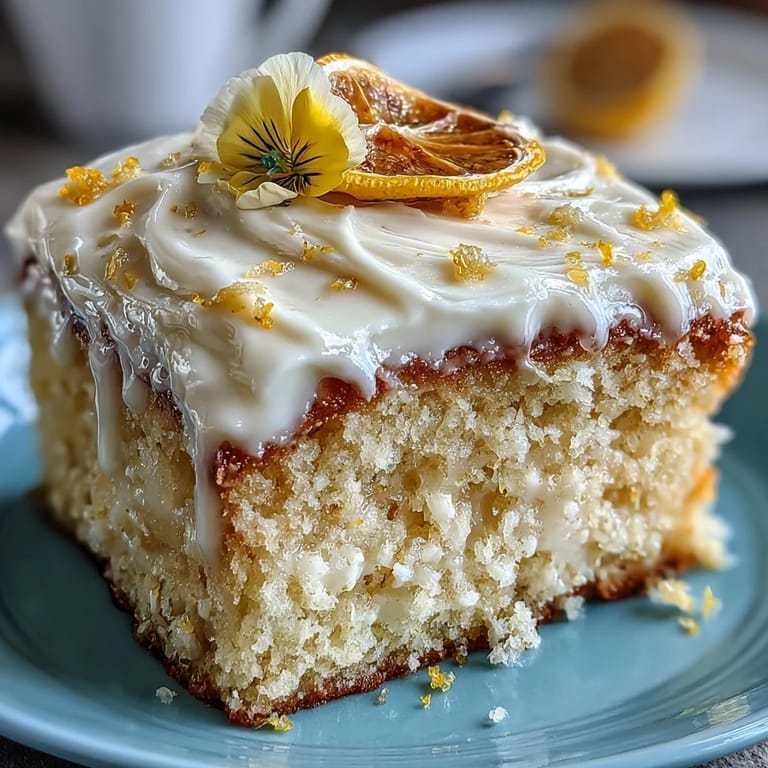
 Sunshine poured into my kitchen the morning I baked this Lemon Sunshine Cake for a friend's baby shower, and something about zesting fresh lemons made the whole room feel like a celebration. The tangy scent kept sneaking up as I creamed butter and sugar, blending in those specks of yellow with a giddy anticipation. It was one of those days where my apron caught more flour than usual, and laughter kept interrupting the rhythm of my mixing. Halfway through icing, one frosting swipe looked like a cloud drifting over a yellow sky, and suddenly the idea for a floral topper just fit. There’s a special kind of joy when a cake both looks and tastes like pure cheer.
Last spring, I made this for a Sunday garden gathering where we celebrated a friend’s new arrival—little feet kicked under the table as we debated which flower was prettiest atop the cake. My nephew piped up that the marigolds looked like sunny buttons, and now I never skip them. It was the first time I caught a guest quietly running a finger through leftover frosting, totally enchanted by the silky texture. It’s no exaggeration: people surround this cake before it’s sliced, eager for both its look and that first forkful. I love how a simple dessert can spark so many smiles and mini debates about whose piece has the best flower.
Ingredients
- All-purpose flour: I always spoon and level for accurate measuring so the crumb turns out light every time.
- Baking powder and baking soda: They ensure the cake rises gently—watching that dome in the oven never gets old.
- Salt: Just a half-teaspoon gives subtle balance to the tangy flavors.
- Unsalted butter: Room temperature lets it cream perfectly; I set it out before breakfast so it’s just soft enough when needed.
- Granulated sugar: I use extra-fine for a smoother batter—it dissolves beautifully into the lemon zest.
- Large eggs: Bringing them to room temp helps the batter not curdle and ensures even mixing.
- Lemon zest and juice: The absolute stars—zest adds fragrance, juice delivers zing, and freshly squeezing is well worth the sticky hands.
- Vanilla extract: Only a splash but don’t skip—it rounds out the tartness.
- Buttermilk: Its acidity keeps the crumb tender and moist; I substitute with milk plus a teaspoon of lemon juice if out.
- Cream cheese (for frosting): Softened fully, it makes the topping plush without lumps.
- Powdered sugar: Sifted to avoid clumps; I learned the hard way once and now never skip this step.
- Edible flowers: Choose unsprayed, food-safe blooms; violets and pansies hold up beautifully, and marigolds add a pop of golden color.
Tired of Takeout? 🥡
Get 10 meals you can make faster than delivery arrives. Seriously.
One email. No spam. Unsubscribe anytime.
Instructions
- Prep Your Pans and Oven:
- Turn your oven up to 350 F and line two cake pans—this gives peace of mind when unmolding those delicate layers.
- Whisk Dry Ingredients:
- Combine the flour, baking powder, baking soda, and salt and give them a quick whisk to break up clumps—you’ll see the mixture lighten a shade.
- Cream Butter & Sugar:
- Beat room-temp butter and sugar until it’s pale and fluffy; pause and scrape down the bowl so no buttery bits get left behind.
- Add Eggs & Citrus:
- Mix in eggs one by one, followed by the lemon zest, juice, and vanilla—the batter will smell gorgeous and lively.
- Combine Everything:
- Add dry ingredients and buttermilk in turns, mixing just until you see flour disappear; this keeps your cake tender.
- Bake the Layers:
- Divide the batter evenly, smooth the tops, and pop the pans in the oven—watch for that lovely golden finish and test at 28 minutes with a toothpick.
- Cool Completely:
- Let the cakes rest for 10 minutes before turning onto a rack so the centers stay intact and airy.
- Make the Frosting:
- Whip together cream cheese and butter until smooth, then sift in powdered sugar and mix until fluffy; finish by adding lemon zest, juice and vanilla for brightness.
- Assemble and Frost:
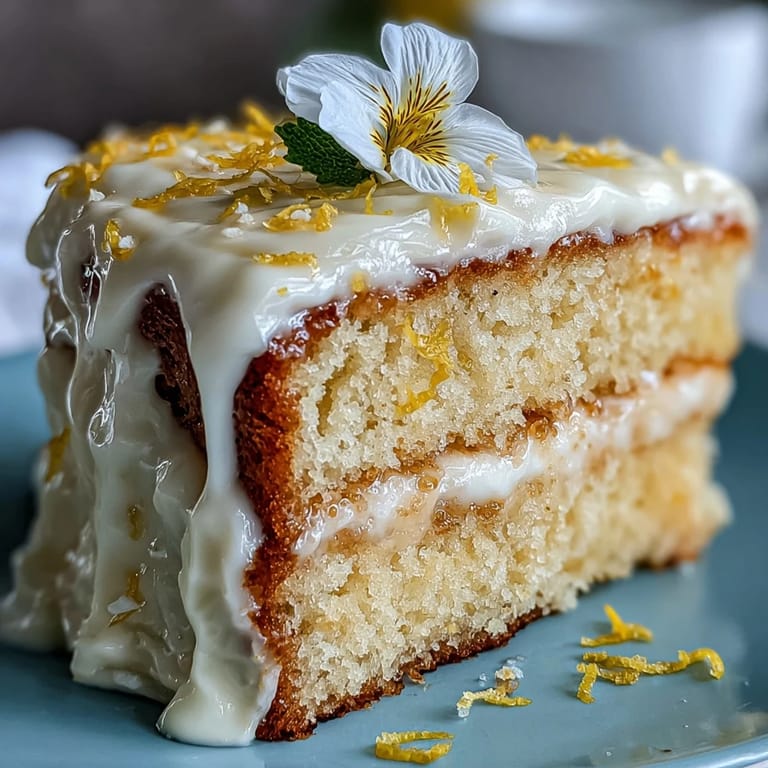
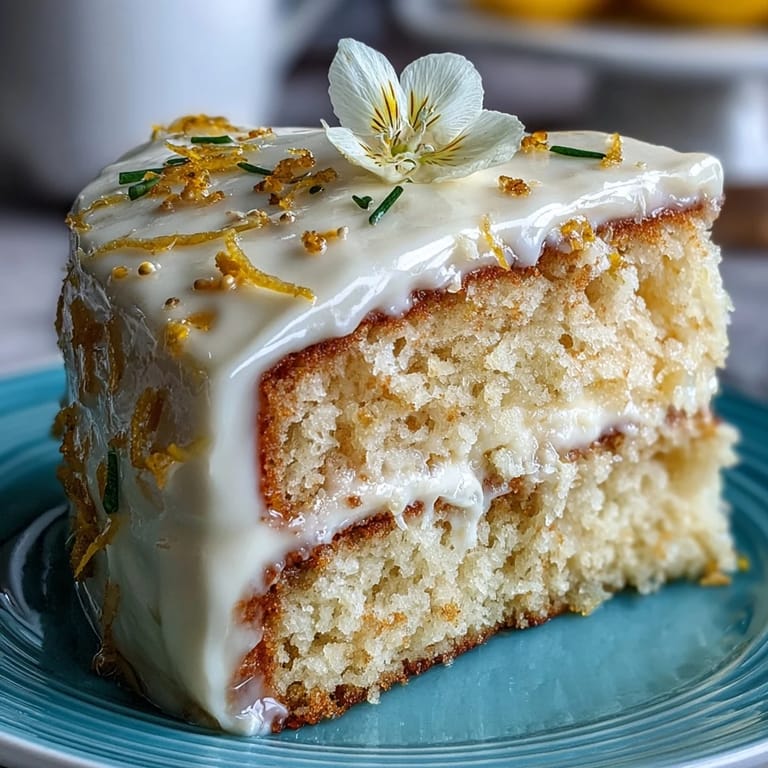
- Set the first layer down, spread a generous pillow of frosting, then stack and frost the top and sides—don’t stress about perfection, swoops look beautiful.
- Add Edible Flowers:
- When the cake is frosted, arrange your blooms in clusters or rings—do this just before serving so the flowers stay crisp and fresh.
 Save to Pinterest
 At the shower, everyone paused when this cake appeared, but the real moment for me was my friend’s mother quietly asking for the recipe card—her eyes soft with delight.”
Decorating with Edible Flowers: Simple Joys and Cautions
I once tried decorating with roses from my backyard, only to realize not all flowers are equal—always check if the blooms are edible and untreated. Gently pat each flower dry and trim stems closely to avoid any bitterness creeping onto the cake’s surface. The first time I pressed a violet into frosting, the color popped so vividly I almost hesitated to cut the cake. Layer colors for a painterly effect, tucking smaller petals around bigger blooms. Never press flowers in advance; freshness gives a magical lift at serving time.
How to Get the Perfect Frosting Texture
Softening the cream cheese and butter together is key—if either is cold, you’ll wind up with stubborn lumps. I like to leave them out for an hour, and always sift the powdered sugar to make blending seamless. If your frosting feels too slack, pop it in the fridge for ten minutes before spreading. A zippy taste test (okay, more than one) lets you decide if you want extra lemon or vanilla—don’t be afraid to adjust. Swooping with an offset spatula is oddly soothing and covers any minor baking imperfections.
Serving and Storing for Maximum Freshness
This cake loves being assembled the day of, but making the layers in advance is a lifesaver during busy event prep. Let baked layers cool completely before wrapping them well in plastic to keep them tender—no fridge needed if frosted the next day. I serve slices at room temp so the crumb stays soft and the frosting is dreamy on the tongue. Dress with flowers just before serving for the fullest effect.
- Store leftover cake in an airtight container at room temp for up to 2 days.
- If your kitchen is steamy, pop the cake in the fridge and bring to room temp before serving.
- Keep flowers for topping out of the fridge until decorating time.
 Save to Pinterest
 This cake is pure sunshine for any happy gathering—one slice and you’ll see why it's worth every zesty step. If there are leftovers, I promise they won’t last long.
Recipe FAQ
- → How do I keep the cake moist?
Use room-temperature butter and eggs, avoid overmixing once flour is added, and measure liquids precisely. Baking until a toothpick comes out clean but still slightly moist prevents drying; brushing layers with a light lemon syrup helps retain moisture.
- → Can I substitute buttermilk?
Yes—make a simple substitute by stirring 1 tablespoon lemon juice or white vinegar into 1 cup milk and letting it sit 5–10 minutes. The acidity helps tenderize the crumb and react with leaveners for proper rise.
- → How do I stabilize the cream cheese frosting?
Beat cream cheese and butter until smooth before adding sifted powdered sugar gradually. Keep frosting chilled between steps; a short chill after assembly firms the frosting for cleaner edges and easier decorating.
- → Are edible flowers safe to use on cakes?
Use only edible, unsprayed flowers from a reputable source. Rinse gently, dry completely, and place them on the cake shortly before serving. Avoid flowers treated with pesticides or those not confirmed edible.
- → Can I make the layers ahead of time?
Yes. Bake layers a day ahead, cool completely, wrap tightly in plastic, and store at room temperature. Frost on the day of serving for the best texture and appearance.
- → How should I store leftovers?
Keep slices chilled in an airtight container due to the cream cheese frosting; they stay fresh 3–4 days in the refrigerator. Bring to room temperature before serving for optimal flavor and texture.