 Save to Pinterest
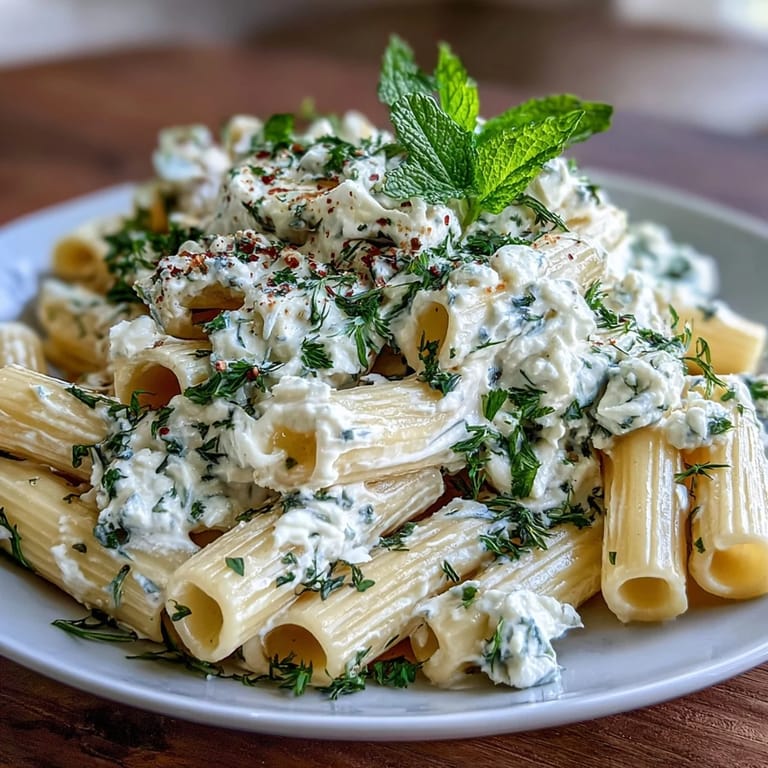
 I was standing in my kitchen on an unexpectedly warm April afternoon when my neighbor knocked on the door with a basket of just-picked peas from her garden. The pods were impossibly green, still dewy from the morning, and without thinking twice I decided to build an entire dinner around them. That first bowl of this pasta—creamy ricotta swirled through, mint leaves catching the light—felt like spring had landed directly on my plate, and I knew I'd be making it again and again.
My daughter watched me cook this one evening and asked if we could invite three of her friends over for dinner on a whim. I doubled the recipe without hesitation, and watching those four teenagers eat seconds while debating whether mint or Parmesan mattered more was one of those small kitchen victories that reminds you why feeding people matters.
Ingredients
- Short pasta (350 g): Penne, fusilli, or orecchiette work best because their shapes trap little pockets of creamy ricotta sauce, giving you texture in every bite.
- Fresh or frozen peas (250 g): If you can find fresh ones, use them, but frozen peas are genuinely just as good and sometimes sweeter since they freeze at peak ripeness.
- Ricotta cheese (250 g): Don't buy the ultra-smooth tub ricotta if you can help it; the slightly grainier kind has more character and breaks into beautiful creamy pieces through the pasta.
- Garlic (2 cloves): Finely chop it so it dissolves almost completely into the oil, adding flavor without any harsh bite.
- Lemon zest (1 unwaxed lemon): This is non-negotiable; it's what makes people pause mid-bite and ask what just happened to their taste buds.
- Parmesan cheese (50 g): Grate it fresh if you have time, but the pre-grated stuff works when life is hectic.
- Fresh mint (15 g): Strip the leaves from the stems and chop them just before using so they stay bright green and fragrant.
- Extra-virgin olive oil (2 tbsp): Use something you actually like tasting on its own; it's one of only a few flavors here.
- Salt and black pepper: Season aggressively; this dish needs it.
Tired of Takeout? 🥡
Get 10 meals you can make faster than delivery arrives. Seriously.
One email. No spam. Unsubscribe anytime.
Instructions
- Get the pasta started:
- Fill a large pot with water, salt it generously until it tastes like the sea, and bring it to a rolling boil before adding your pasta. This is where flavor begins, so don't skimp on the salt.
- Cook until perfectly tender:
- Follow the package timing but start tasting a minute before it says to; al dente means you should feel just the tiniest bit of resistance when you bite, never mushy. Before draining, save a full cup of that starchy cooking water—you'll need it to create magic later.
- Build the flavor base:
- While pasta cooks, warm olive oil in a large pan over medium heat and add your chopped garlic, listening for it to start smelling incredible within about a minute. You want fragrant, not browned, so keep the heat moderate and watch closely.
- Add the peas and warmth:
- Toss in your peas and let them cook for 2 to 3 minutes, stirring occasionally, until they're bright and tender; frozen peas need a minute or two longer than fresh, but you're looking for that just-cooked brightness, not mush.
- Bring it all together:
- Add your drained pasta to the pan with the peas and toss everything together so the pasta picks up all that garlicky oil. Remove from heat immediately—you're about to add cold ingredients and you want everything warm, not hot.
- Create the creamy coating:
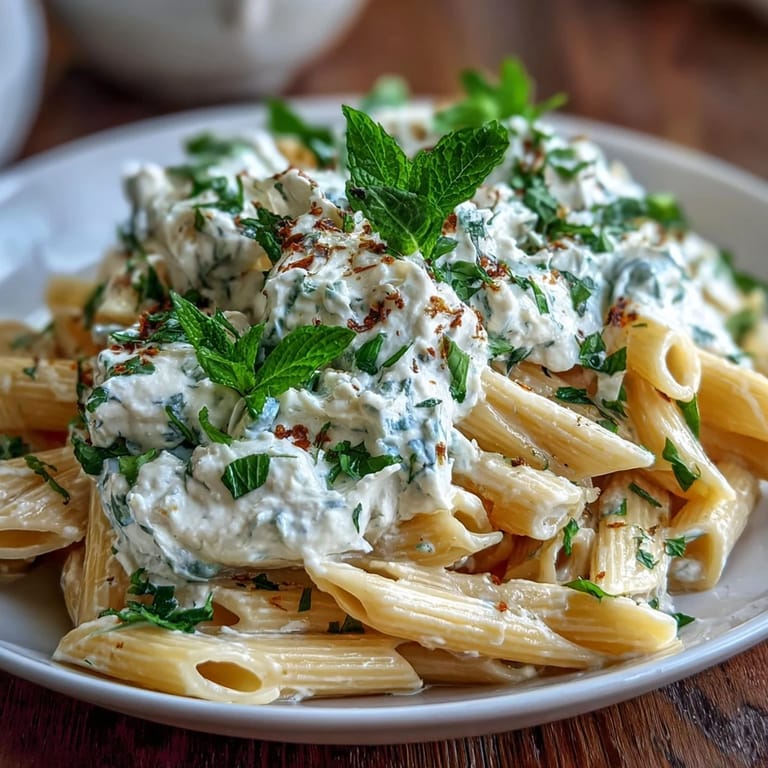
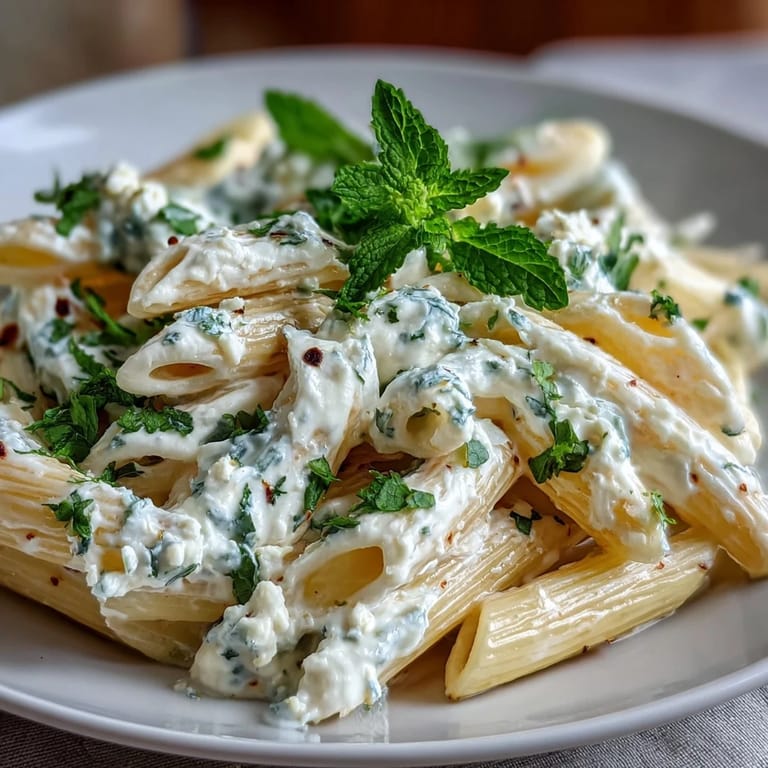
- Stir in the ricotta (it'll seem like too much at first, I promise it won't be), then add the Parmesan, lemon zest, and half the chopped mint. Start adding reserved pasta water a splash at a time, stirring gently, until the sauce coats the pasta and pools slightly on the plate.
- Season with intention:
- Taste as you go, adding salt and plenty of black pepper—the pepper should be visible, almost generous. Everything gets better with more pepper than you think it needs.
- Plate and finish:
- Divide among bowls, top with remaining fresh mint and extra Parmesan, and serve immediately while everything is warm.
 Save to Pinterest
 There's a particular quiet that settles when you're eating something this fresh and simple, where no ingredient is trying to shout over another. My partner took one bite and immediately asked for the recipe, and that's when I realized this wasn't just a quick weeknight dinner—it had somehow become something to hold onto.
Timing and Preparation
The whole dish lives or dies on timing, and the good news is everything finishes at nearly the same moment. Get your mise en place done before the water even boils—chop your garlic, zest your lemon, chop your mint—so you're not scrambling once things start moving fast. From the moment pasta hits water to when you're sitting down eating is genuinely less than twenty-five minutes, which makes this perfect for those nights when you're hungry now, not in an hour.
Variations Worth Trying
This recipe is open-handed about what you add to it, and that's part of what makes it feel less like following instructions and more like cooking. A small handful of fresh spinach or peppery arugula tossed in at the last second adds earthiness, while toasted pine nuts give you a crunch that transforms the texture. Some nights I've stirred in a splash of white wine before adding the peas, and it adds a subtle brightness that makes everything taste a little more dressed up than it actually is.
The Small Details That Matter
The difference between good and remarkable in this dish often comes down to things that seem almost too small to mention—using unwaxed lemon so the zest is clean and flavorful, chopping mint right before you use it so it doesn't blacken, not overcrowding the pan so your pasta has room to toast slightly in the oil. These aren't rules carved in stone, but they're the moments where you stop following a recipe and start cooking with intention, which is when food gets really interesting.
- If your peas are frozen, don't thaw them first; let them cook gently in the hot oil and they'll warm through evenly.
- Taste the pasta water before you drain it to make sure it tastes good—if it's undersalted, your whole dish will taste flat.
- Mint wilts quickly, so add it at the very end and don't let it sit around beforehand.
 Save to Pinterest
 This pasta is what happens when you stop trying so hard and let fresh ingredients speak for themselves. Make it once and you'll find yourself reaching for it whenever spring arrives, or whenever you need to remind yourself that the best meals don't require a list of complicated steps.
Recipe FAQ
- → What type of pasta works best for this dish?
Short pasta shapes like penne, fusilli, or orecchiette hold the sauce well and complement the creamy texture.
- → Can I use frozen peas instead of fresh ones?
Yes, frozen peas work well; just cook them slightly longer until bright and tender.
- → How to achieve a creamy sauce without cream?
Mixing ricotta cheese with reserved pasta water and Parmesan creates a smooth, rich coating for the pasta.
- → What herbs pair nicely with this dish?
Fresh mint is key for brightness, but you can also add a handful of baby spinach or arugula for extra freshness.
- → How to make this dish suitable for vegan diets?
Use vegan ricotta and Parmesan alternatives, and ensure the pasta is egg-free to keep it plant-based.